Most disputes about "who pays" on an export shipment trace back to one line on the purchase order: the Incoterm. FCA and FOB look almost identical on paper, and buyers and sellers swap them casually. For containers, that habit costs money, because the two terms transfer risk at different moments.
This guide covers the real FCA vs FOB difference, what each term means for a box that travels through a terminal, and how to pick the one that fits.
What is the difference between FCA and FOB?
FCA (Free Carrier) means the seller delivers the goods, cleared for export, to a carrier or other party named by the buyer, at a named place. FOB (Free On Board) means the seller delivers the goods on board the vessel nominated by the buyer at the named port of loading. Risk passes at that delivery point in each case.
The practical gap is the delivery point:
- Under FCA, delivery happens at a place you agree: the seller's premises, a container yard, a depot, or a terminal.
- Under FOB, delivery happens only when the goods are on the ship.
Both are origin-handoff terms. In both, the seller handles export clearance and the buyer takes on the main carriage and everything after it. Neither covers the ocean freight, and neither requires the seller to arrange insurance.
Side-by-side comparison
| Point | FCA | FOB |
|---|---|---|
| Delivery point | Named place (seller's site, depot, terminal) | On board the vessel at the port of loading |
| Where risk transfers | At the named place, once handed to the buyer's carrier | When goods are on board |
| Modes of transport | Any mode, including multimodal | Sea and inland waterway only |
| Export clearance | Seller | Seller |
| Main carriage | Buyer | Buyer |
| Import clearance | Buyer | Buyer |
| Fit for containers | Strong | Weaker, a known mismatch |
The mode restriction matters more than it looks. FOB was written for goods loaded over the ship's rail, such as bulk and breakbulk. Containers do not work that way.
Why does FOB fit containers poorly?
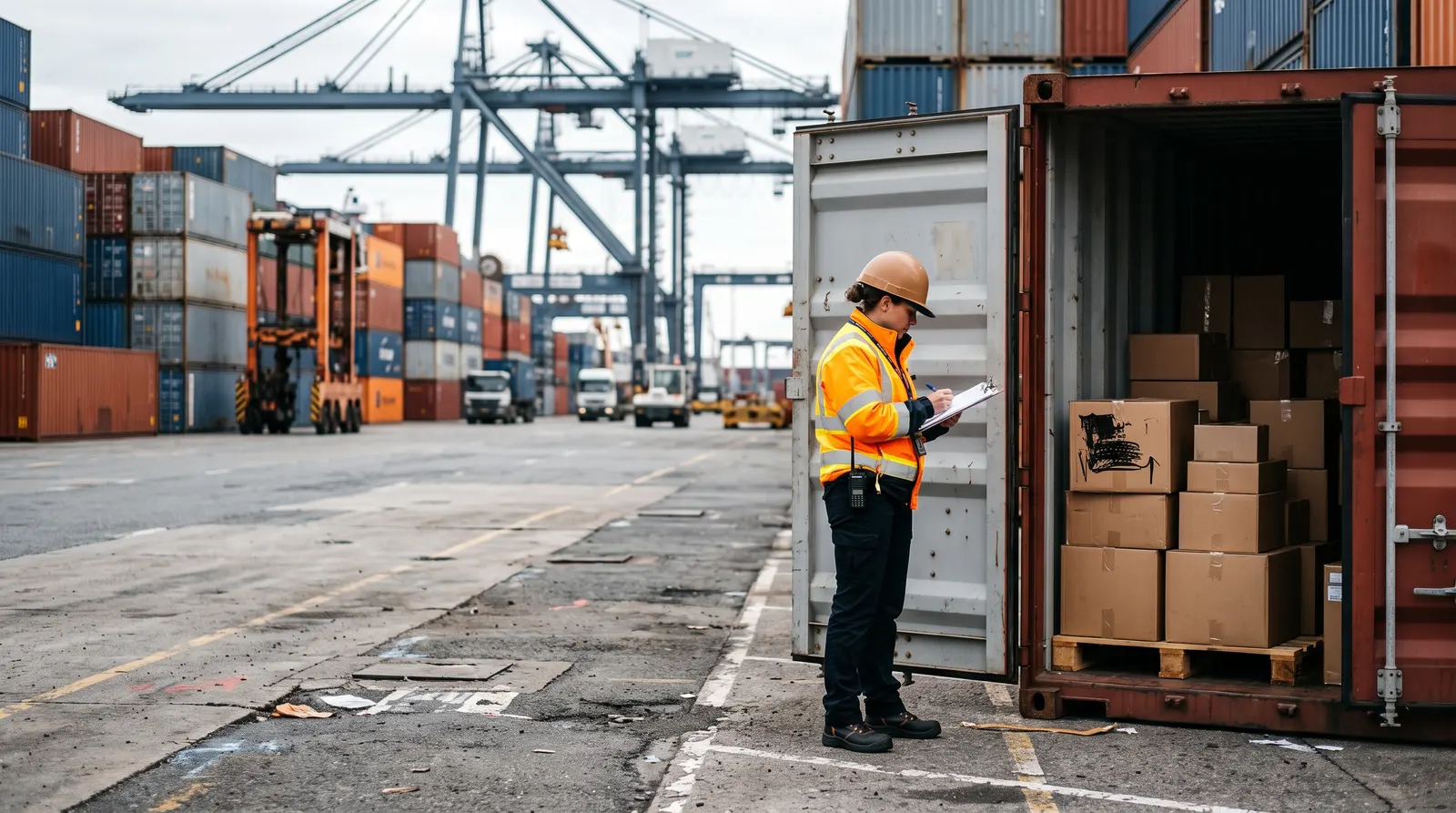
FOB assumes the seller controls the goods until they are physically on board. A container does not behave like that: it is handed to a trucker or terminal days before loading, sealed, and moved by the terminal. The seller has no control after the gate, yet FOB keeps risk with them until the box is on the vessel.
That creates a gap between when the seller loses control and when risk transfers. Consider a typical sequence for a full container load:
- The seller loads and seals the container at the factory or a depot.
- A truck takes it to the port and gates it into the terminal.
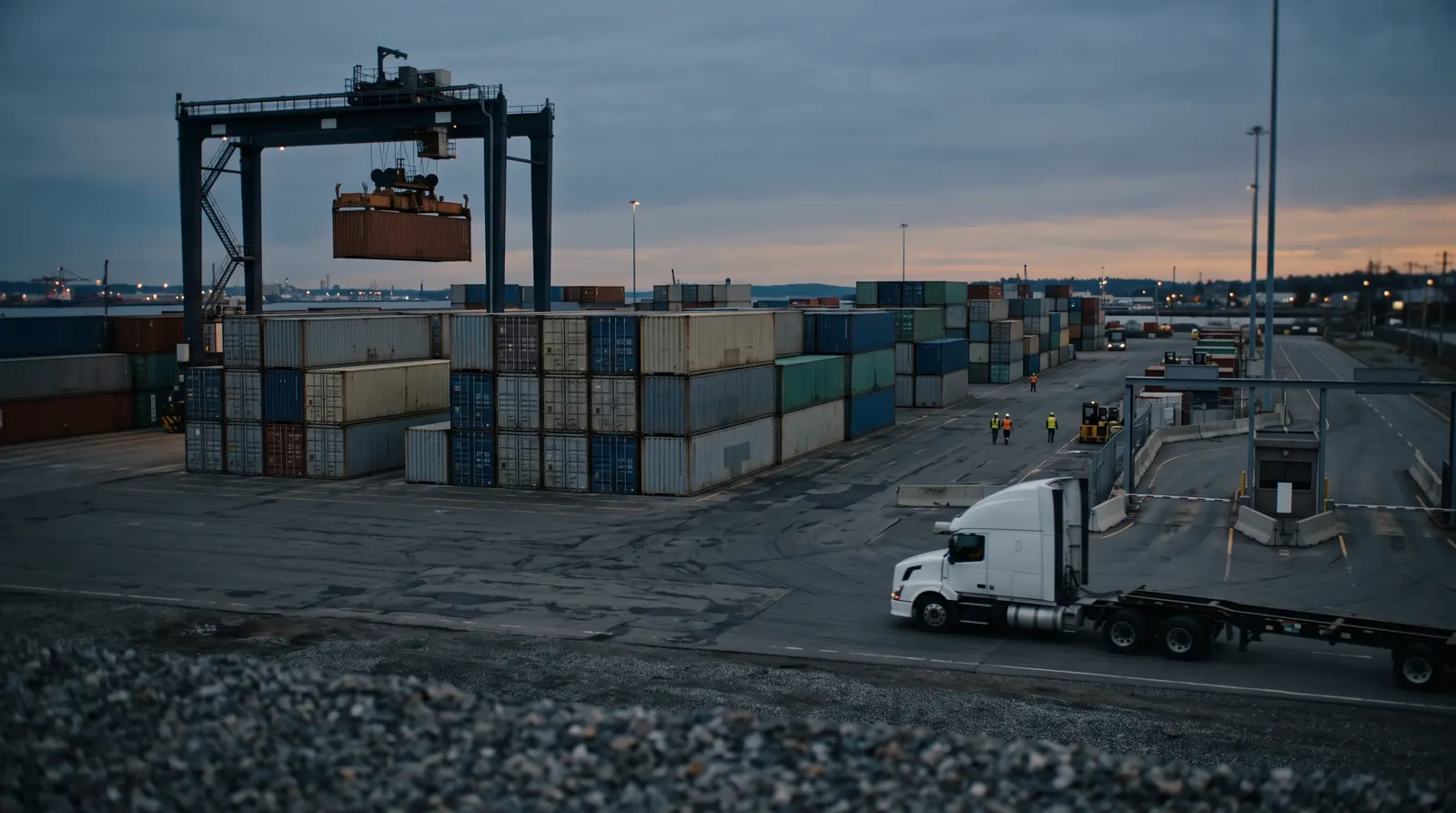
- The container sits in the stack until the vessel's loading window.
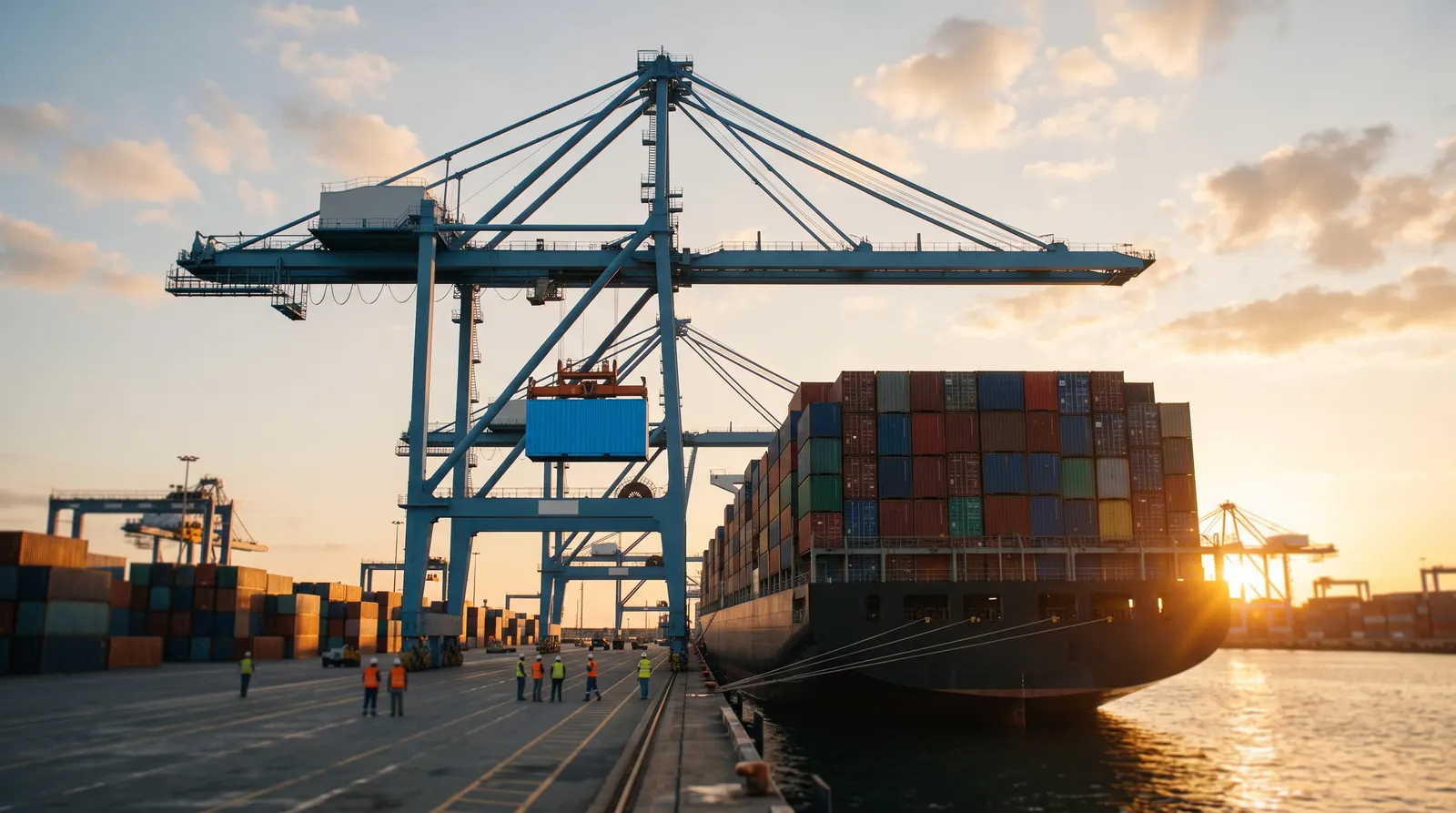
- A crane lifts it on board.
Under FOB the seller carries risk across steps 2 to 4, while the terminal and the carrier control the box. If a container is damaged in the stack or dropped during loading, the seller is exposed even though they could do nothing about it. Insurance claims then become a debate over timing.
The Incoterms rules themselves point this out and recommend FCA for containerised cargo where the goods are delivered to a terminal before loading. Many traders keep writing FOB out of habit anyway, and it usually works until something goes wrong.
When does FCA make more sense?
FCA is the better default for container shipments because delivery is tied to a place the seller can actually control, such as their own dock or the buyer's nominated depot. Risk transfers at a clear, provable moment, and the seller is not liable for what happens in the terminal.
FCA works well when:
- The goods ship in a container, whether FCL or consolidated.
- The buyer wants their own forwarder to collect the cargo from the seller.
- The route is multimodal, for example truck to rail to ocean.
- The seller wants risk to end at their own gate, with loading done on their premises.
Choose the named place carefully. FCA seller's premises means the seller loads the truck, and risk transfers once loaded. FCA at a named terminal or depot means the seller delivers the unloaded goods to the buyer's carrier, so the seller must have the cargo ready at the point of handoff but does not have to unload at the other side. Writing only "FCA Shanghai" with no precise place is a common source of disputes.
The bill of lading wrinkle
Banks and letters of credit often require an on-board bill of lading. Under FCA the seller hands over before the container is loaded, so the carrier cannot yet issue an on-board bill. The 2020 version of the rules added an option: the buyer can instruct its carrier to issue an on-board bill of lading to the seller, who then passes it to the buyer, usually via the bank. If a letter of credit is in play, agree this in the contract before shipping.
When is FOB still the right choice?
FOB remains sensible for non-containerised sea cargo, such as bulk or breakbulk loaded directly over the rail, and for established trade relationships where FOB is the norm and both sides understand the terminal exposure. It also helps where a letter of credit or local custom firmly expects FOB wording.
If you still use FOB for containers, reduce the gap:
- Make sure cargo insurance runs from the seller's gate or the point they lose control, not only from loading.
- Confirm in writing who is responsible if the container is held, rolled, or damaged in the terminal.
- Agree the cut-off and free-time expectations so that terminal storage charges do not become a dispute.
Cargo can be covered through cargo insurance arranged separately, with terms set by the insurer.
Who pays which charges?
The charges depend on the term and the named place, but a typical split looks like this. Treat it as a guide and always confirm against the contract, since local practice varies.
| Charge | FCA (seller's premises) | FCA (named terminal) | FOB |
|---|---|---|---|
| Inland haulage to port | Buyer | Seller (to terminal) | Seller |
| Export customs clearance | Seller | Seller | Seller |
| Origin terminal handling | Buyer | Often buyer | Commonly seller, varies by port practice |
| Ocean freight | Buyer | Buyer | Buyer |
| Destination charges | Buyer | Buyer | Buyer |
Origin terminal handling is where confusion appears most. Local custom at many ports puts origin THC on the seller under FOB and on the buyer under FCA, but it is negotiable and is not set by the Incoterms rules. State it explicitly in the sales contract so the buyer's freight quote and the seller's invoice agree.
How to choose: a short decision guide
Ask these four questions in order:
- Is the cargo containerised? If yes, lean toward FCA.
- Does the buyer control the main carriage? Both terms need this, so if the seller books the ocean leg, consider CFR or CIF instead.
- Does a letter of credit require an on-board bill of lading? If so, add the on-board bill mechanism to FCA, or agree FOB with extra insurance cover.
- Can the seller deliver to a precise place? If not, agree the place before choosing the term.
For a wider view of all the terms and how they group by handoff point, see our guide to Incoterms.
Customs and documentation points
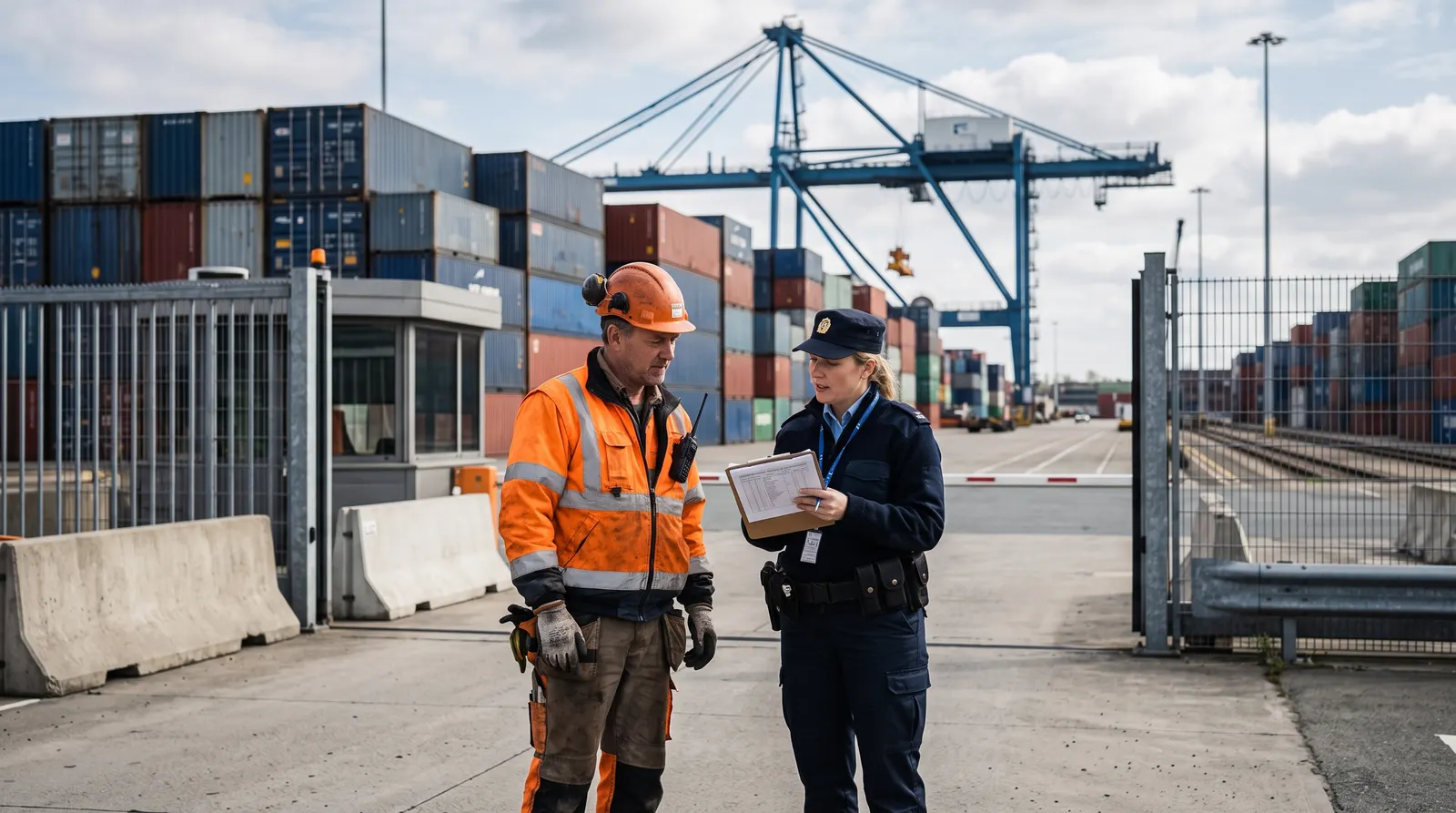
Both terms put export clearance on the seller, so the seller needs export documents ready before the container is gated in. The buyer is responsible for import clearance, duties, and taxes. Customs assesses duties at entry, so nobody can fix them in a freight quote in advance.
Mismatched terms cause hold-ups at the border more often than people expect, for instance when an invoice says FOB but the booking was made as if FCA applied. Align the commercial invoice, the booking, and the contract on one term and one named place. Qualified customs brokerage partners review documents and classification before filing, which catches these gaps early.
Common mistakes to avoid
- Naming a country or city, not a place. "FOB China" is not a delivery point. Name the port, such as FOB Ningbo.
- Using FOB for a container delivered to a depot inland. The term does not fit, since delivery on board is far away.
- Assuming the Incoterm sets who pays THC. It does not; the contract must.
- Assuming it transfers title. Incoterms cover delivery, risk, and costs, not ownership or payment terms.
- Forgetting insurance. Neither term obliges anyone to insure, and the buyer's risk begins early.
How Holo Cargo helps
On a container booking, our operators work from the Incoterm and named place you give us and send you an itemised quote across origin, freight, and destination. What we quote on the charges we cover is what you pay, and you can follow milestones from pickup to arrival without chasing. For a sense of how a common lane is priced and routed, see Shanghai to Los Angeles.