Freight, read between the lines.
Rate trends, customs changes, and routing intelligence from the operators who book your freight.

Latest
82 articles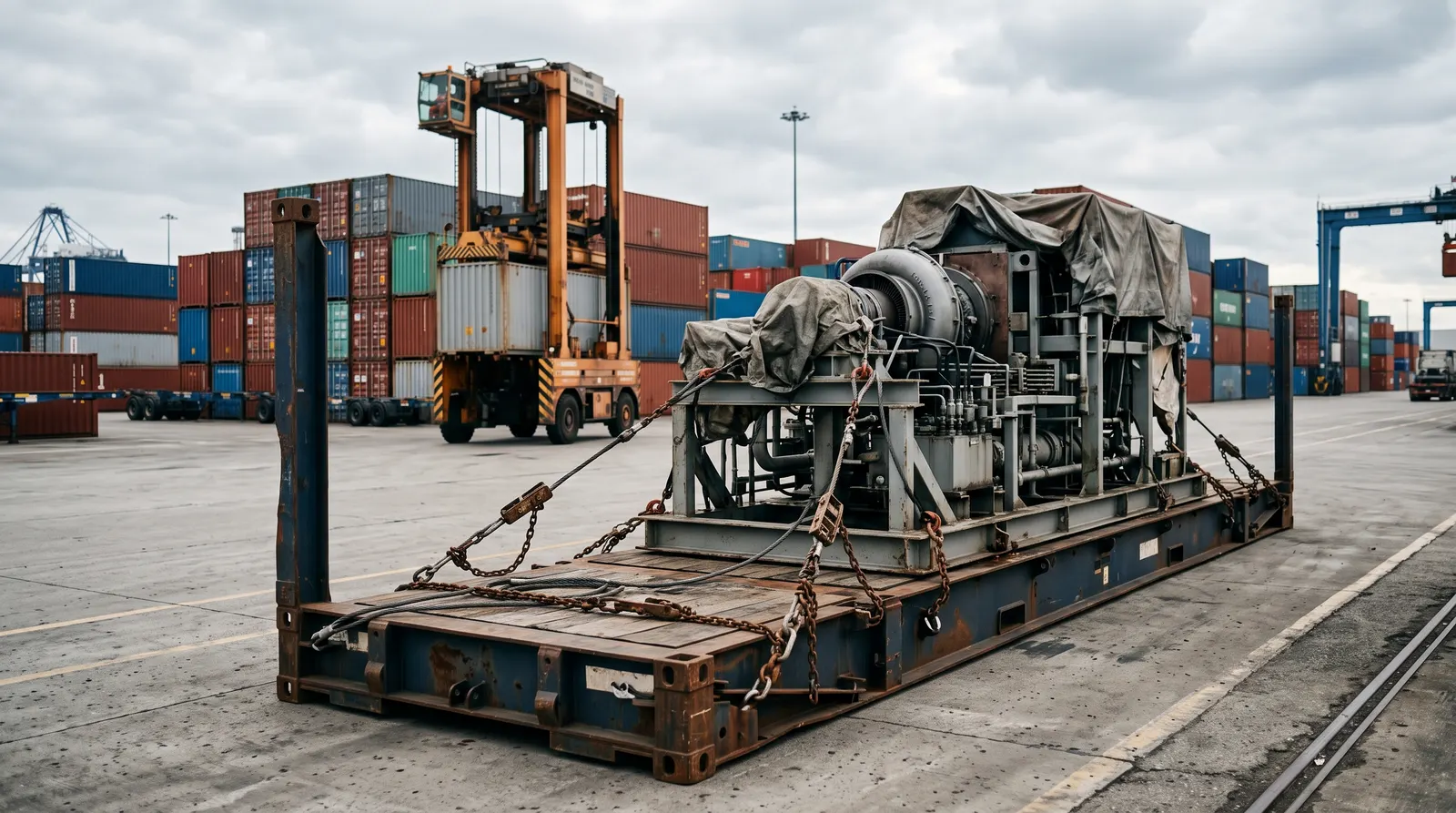
20FR vs 40FR: which flat rack container fits your oversized cargo?
Flat rack containers exist because your cargo has already ruled out a standard box — but picking between a 20FR and a 40FR still comes down to length and weight distribution, not habit. This guide compares the specs, the deck math, and when each size actually fits.

GRI vs PSS: how do these two ocean freight surcharges differ?
GRI and PSS often show up in the same carrier bulletin, sometimes in the same week, and shippers routinely treat them as one thing. They aren't. This guide breaks down what each one actually changes on your quote, why they can stack, and how to plan a budget that survives both.
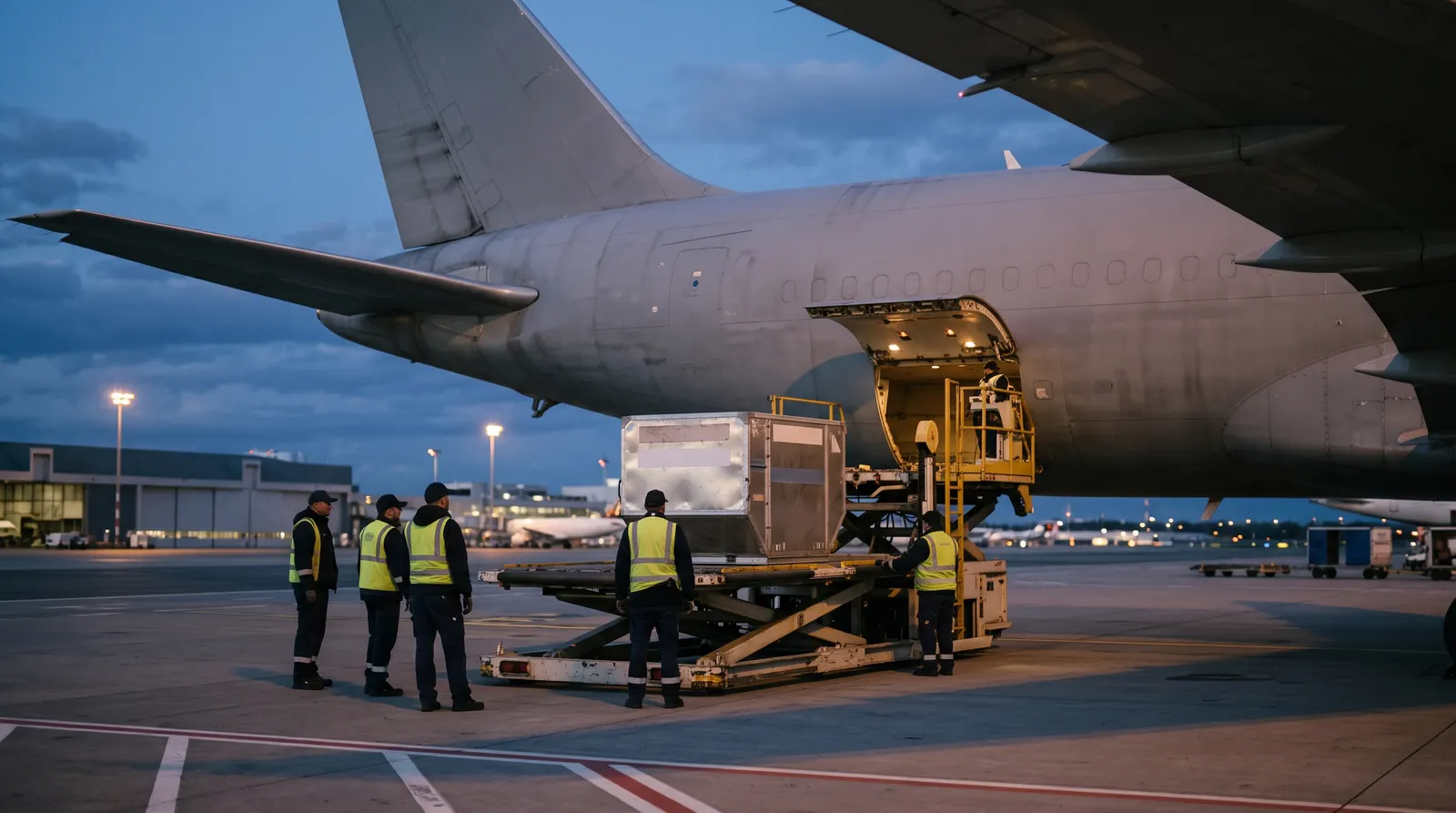
What Is AFR (Air Freight Rate) and How Is It Calculated?
AFR — the Air Freight Rate — is the single largest line item on most air cargo quotes, yet it's also the most misunderstood. This guide explains exactly what AFR covers, how it's calculated against chargeable weight, why it moves between quotes, and how it fits alongside FSC, SSC, and other surcharges.

How Import Duties and Taxes Are Calculated (Step by Step)
Every import duty bill traces back to three inputs — the tariff classification, the customs value, and the country of origin — applied by customs at entry, not by a freight forwarder in advance. This guide walks through each step of that calculation, where taxes stack on top, and why no quote can price it before filing.

What Happens After You Accept a Freight Quote: Step by Step
Clicking "accept" on a freight quote isn't the end of the process — it's the start of a sequence of confirmations, documents, and cutoffs that determines whether your cargo moves on schedule. Here's exactly what happens next, step by step, and which numbers are locked for good.

FOB vs CIF: who pays for ocean freight and insurance under each term?
FOB and CIF both show up constantly on ocean freight purchase orders, and both get treated as interchangeable when they aren't. The real split is who books and pays for the main freight leg, who buys the cargo insurance, and how much that insurance actually covers. Here's how the two terms divide those costs.
From the desk
The freight week in five minutes.
Rates, disruptions, and one chart worth your time. Every Tuesday. No fluff, unsubscribe anytime.