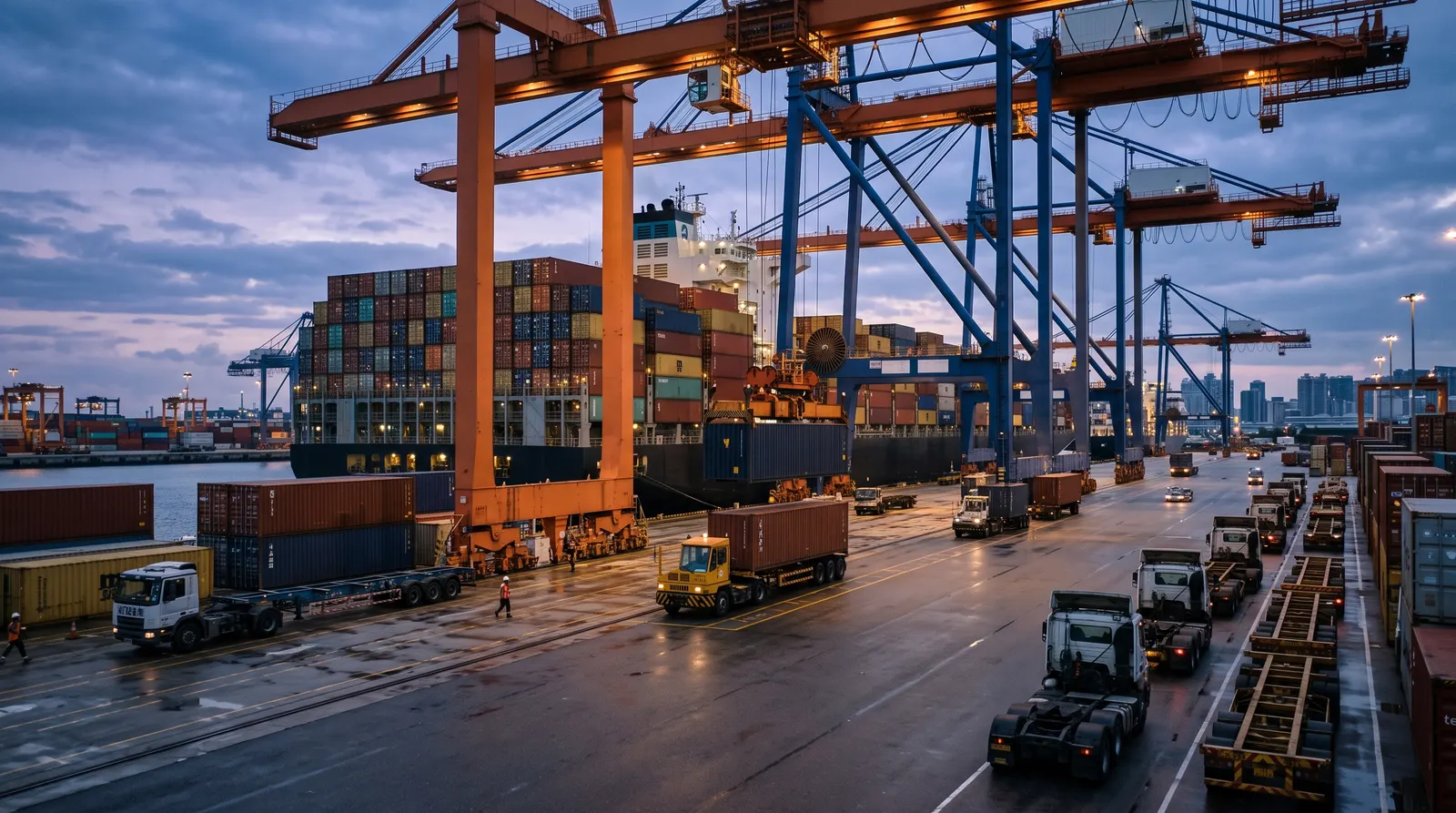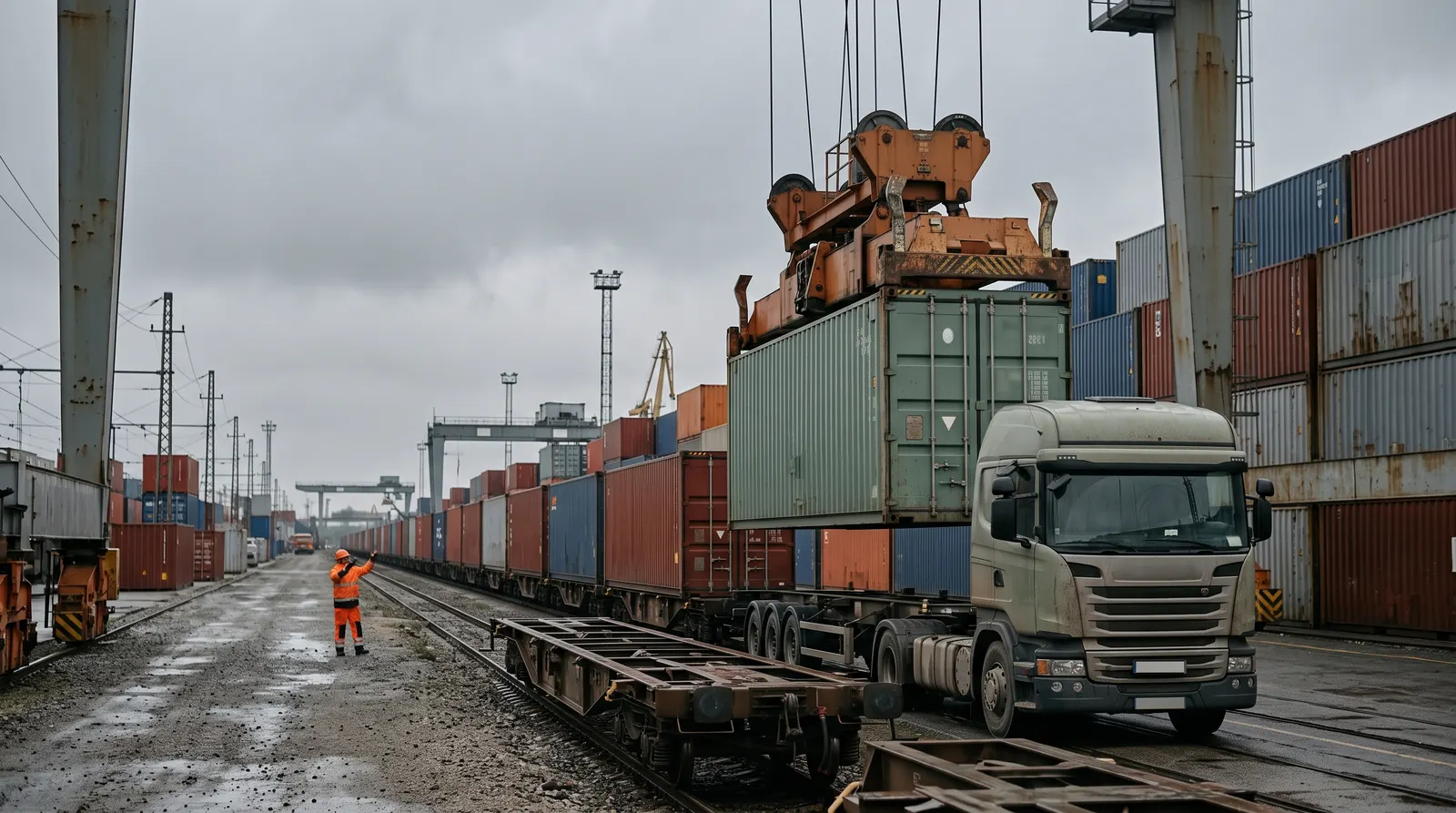
You've compared quotes, picked one, and hit accept. Then... nothing appears to happen — no truck shows up, no vessel schedule lands in your inbox. That gap between accepting a quote and seeing visible movement is where most first-time shippers get anxious. In reality, a defined sequence starts the moment you accept: the price locks, documentation gets requested, a booking gets placed with the carrier, and an operator takes ownership of your shipment. Knowing that sequence — and what's still allowed to move within it — turns the wait into something you can plan around.
The short version: what happens, in order
Accepting a quote triggers four things in sequence: the price locks as your invoice baseline, you submit shipment documents and booking details, the forwarder places the booking with the carrier against a cutoff, and an operator takes ownership with milestone tracking through delivery. Nothing about the freight and handling charges you accepted should move after this point.
The rest of this guide walks through each stage, what's expected from you at each one, and where the real risk of delay sits.
Step 1: The quote becomes your invoice baseline
The moment you accept, the freight and handling charges on that quote are locked — they become the numbers your final invoice is measured against, not a starting point for negotiation. This is the core of a quote-to-invoice match: what you accepted is what you're billed for those line items, barring a small, defined set of exceptions.
Two categories of charges behave differently after acceptance:
- Locked at acceptance: ocean freight (OFR) or air freight (AFR), bunker/fuel surcharges (BAF/FSC), terminal handling (THC), documentation fees, and any other line item that was itemised on the quote you accepted.
- Determined later, by design: duties and taxes (assessed by customs at entry, never predicted in a freight quote), demurrage or detention (only if free time is exceeded), and cargo insurance premiums (quoted and priced separately, since the insurer — not the forwarder — sets those terms).
If a charge you accepted shows up different on the final invoice with no explanation, that's worth raising immediately — not absorbing.
Step 2: You confirm shipment details and submit documents
Accepting the price is not the same as accepting the booking — the forwarder still needs exact cargo details and paperwork before anything can be scheduled with a carrier. This is usually the single biggest source of delay between acceptance and departure, because it depends on you, not the forwarder.
What's typically requested at this stage:
- Final, confirmed package or pallet dimensions and weights (if these were estimates at quote time, they need to be locked in — the cargo calculator is a fast way to turn carton or pallet counts into the CBM and chargeable weight the booking needs)
- Commercial invoice and packing list for the shipment
- Pickup and delivery addresses, contact names, and any access restrictions at either end
- Incoterm confirmation, since it determines who arranges and pays for which leg — see our incoterms guide if this wasn't already settled at quote stage
- Special-handling flags: dangerous goods declarations, reefer temperature settings, or oversized dimensions, if applicable
Cargo dimensions that change materially at this stage — a pallet count that grows, a weight that was underestimated — are one of the few things that can legitimately adjust a quote's freight charge, because the price was built against a specific cargo profile.
Step 3: The booking gets placed against a cutoff
With documents and final cargo details in hand, the forwarder places your booking with the carrier — which means securing space against a real sailing, flight, or departure cutoff, not just adding your shipment to a list. This is the step that converts an accepted quote into an actual departure date.
Cutoffs vary by mode and matter for different reasons:
| Mode | What's being secured | Typical cutoff pressure |
|---|---|---|
| Ocean FCL | Container space + vessel slot | Cargo cutoff (CY) and document cutoff (SI) both apply |
| Ocean LCL | Space within a consolidated load | Earlier CFS cutoff, since cargo must be received and sorted |
| Air | Space on a specific flight or consolidation | Tighter windows, especially on scheduled passenger-belly capacity |
| Road/rail | Truck or railcar slot | Shorter lead time, but still fixed by carrier schedule |
Missing a cutoff doesn't usually void your quote, but it does mean rebooking to the next available departure — which is why document turnaround in Step 2 matters more than it looks like it should.
Step 4: An operator takes ownership and tracking begins
Once the booking is confirmed, a specific operator owns your shipment through to delivery — coordinating pickup, transit milestones, and any exceptions — rather than the shipment sitting in a shared queue. From here, your job shifts from providing information to monitoring milestones.
What you should expect to see, and when:
- A booking confirmation with vessel/flight, container or AWB number, and estimated departure and arrival
- Milestone updates at each major transit event: departure, transshipment (if any), arrival, and customs status changes
- Proactive notice if something moves — a rolled booking, a schedule change, a customs hold — rather than having to ask
This is also where customs brokerage work typically starts in parallel with transit, not after arrival. Pre-filing entry documentation while cargo is still moving is what keeps port dwell time short once it lands — a delay here is one of the most common causes of demurrage on the import side. If you want the full picture of how each handoff fits together, how shipping works end-to-end walks through every stage from booking to delivery.
What can still change after you accept — and what can't
It's worth being explicit about this, since it's the question most shippers actually have.
Can still move:
- Duties, taxes, and any customs exam fees — these are only known once customs assesses the shipment, never predicted in the original quote
- Demurrage or detention, but only if free time is exceeded after arrival
- Freight charges, if the actual cargo dimensions or weight differ materially from what was quoted
- Insurance premium, if you add or change coverage after booking
Should not move, ever:
- The base freight rate (OFR/AFR) for the cargo profile you originally quoted
- Fuel or security surcharges already itemised on the accepted quote
- Terminal handling, documentation, or filing fees quoted upfront
If something in the second list changes on your invoice, ask for the specific line item and the reason — a legitimate forwarder can point to exactly what happened.
What if you need to change something after accepting?
Changes are still possible after acceptance, but the later they happen relative to the carrier cutoff, the more likely they are to cost time, money, or both. A forwarder that's transparent about this tradeoff is more useful than one that promises everything is flexible right up to departure.
Common post-acceptance changes and what they typically mean:
- Adding a pallet or increasing weight — usually just a recalculated freight charge against the new cargo profile, provided it's flagged before the booking is placed with the carrier.
- Changing the delivery address — straightforward before departure; after the shipment is in transit, it can mean rerouting fees or a delay depending on the mode and how far along the move is.
- Switching Incoterms after documents are drafted — possible, but it can mean reissuing the commercial invoice and, in some cases, the bill of lading, so it's best resolved before Step 2 closes out.
- Cancelling after the booking is confirmed — carriers often apply a cancellation or no-show fee once space is secured.
The safest window for any change is before the carrier cutoff in Step 3. Once cargo is loaded and moving, most changes become logistics problems to solve in transit rather than adjustments to the original quote.
How Holo Cargo helps
After you accept a Holo Cargo quote, a real operator is assigned to your shipment and the freight and handling charges you accepted carry straight through to your final invoice — nothing to reconcile after delivery. You get milestone updates as the shipment moves, and our customs brokerage partners begin document review before the cargo arrives, so clearance isn't the first thing anyone thinks about only after the vessel docks.