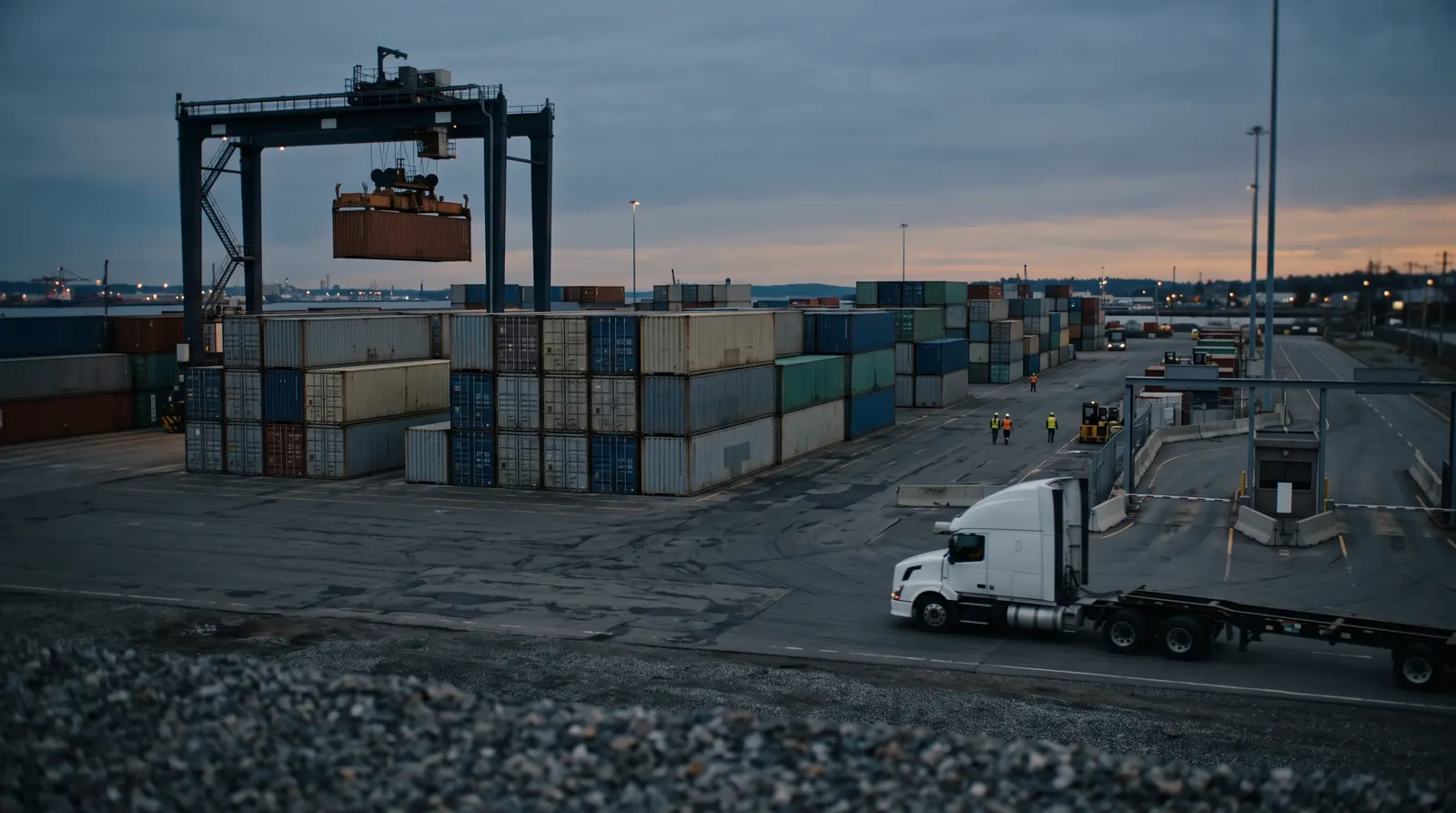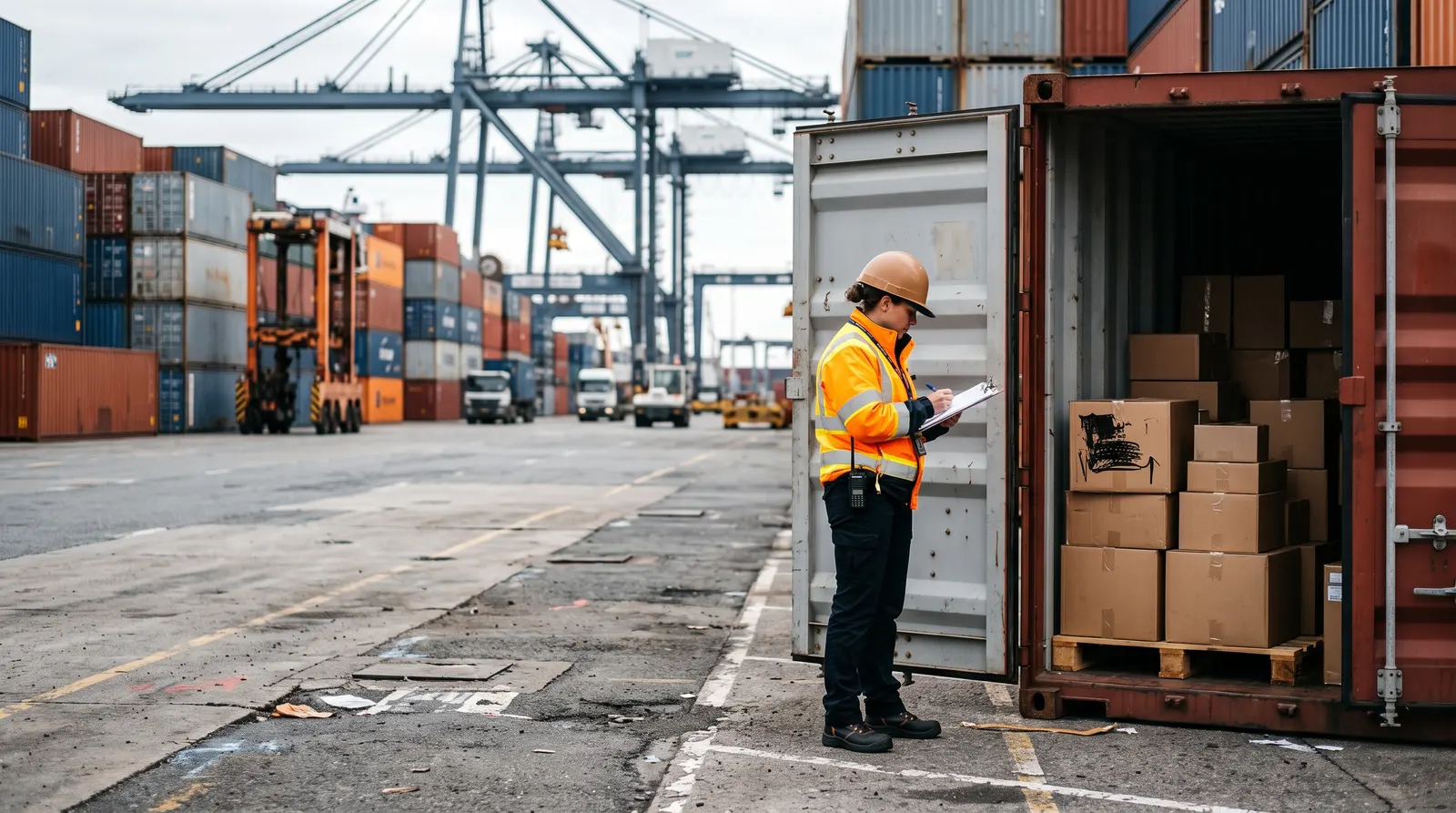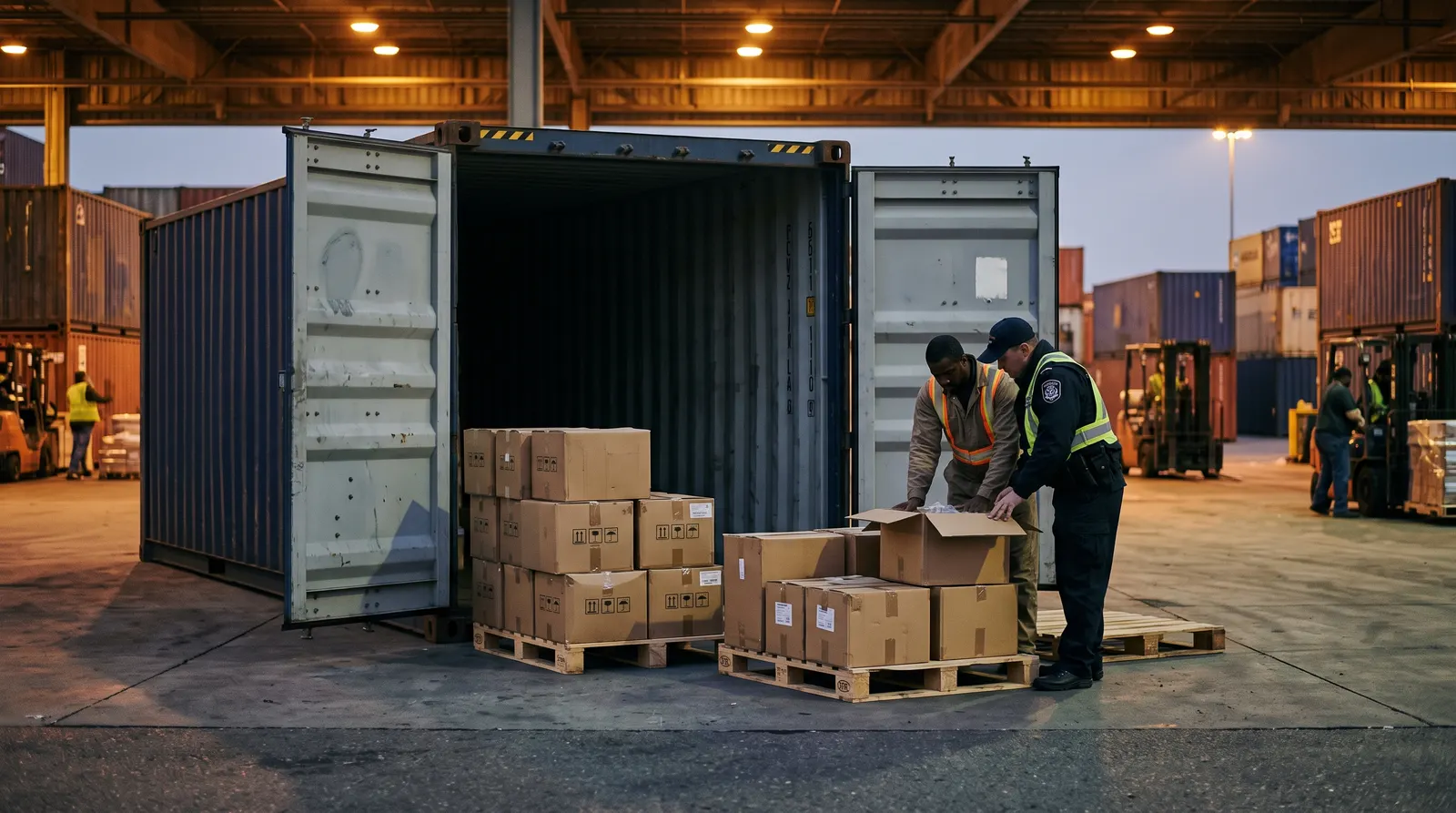
A container clears the dock, the entry looks clean, and then a message arrives: the shipment has been selected for examination. Days later, an invoice shows up with a line for the exam itself — separate from duty, separate from the customs broker's fee, and rarely explained in any detail. For a first-time importer, it can look like a penalty. It isn't. It's simply the cost of a physical or scanned inspection that customs, not the importer, chose to order.
This guide covers what a customs exam fee is, why some shipments get selected and others don't, the different types of exams, who actually pays, and what — realistically — reduces the odds of selection.
What is a customs exam fee?
A customs exam fee is the charge for a physical or X-ray inspection that a customs authority orders on a shipment after the entry has been filed. It covers the cost of pulling the container or air shipment aside, opening or scanning it, and — for a physical exam — unloading and reloading the cargo. The fee is separate from duty, separate from the customs broker's filing fee, and it only appears on shipments customs actually selects.
Exam fees sit in the customs section of a freight quote, alongside ISF/AMS filing and the customs brokerage fee (CBF). Unlike those two, which apply to every formal entry, an exam fee is conditional — most shipments never see one, and there's no way to know in advance which ones will.
Why do shipments get selected for examination?
Selection is a mix of risk-based targeting and random sampling, and no importer gets advance notice either way. Customs authorities run every entry through a risk-screening process before release; some shipments are flagged because something about them raises a question, and some are simply pulled at random to keep the overall screening honest.
Factors that tend to raise a shipment's risk profile include:
- New or infrequent importers, who don't yet have a compliance track record on file.
- Certain HS codes or commodity categories that customs authorities monitor more closely — apparel, electronics, and food products are common examples.
- Unusual trade lanes or routing that deviates from the pattern customs expects for that commodity or importer.
- Value or weight discrepancies between the declared entry and the manifest or prior shipments on the same lane.
- Regulated goods requiring another agency's sign-off — food, pharmaceuticals, or agricultural products can trigger a referral exam even with clean paperwork.
- Random sampling, which applies regardless of history or documentation quality, at a rate customs authorities don't publish.
None of this is something a shipper can fully control. Consistent, accurate documentation over time builds a lower-risk profile, but it doesn't eliminate the possibility of selection on any single shipment.
Types of customs exams
Exam types range from a quick external scan to a full manual unload, and the fee scales with how invasive the inspection is. Which type gets ordered depends on what customs is looking for and what's practical for the commodity and container.
| Exam type | What happens | Typical duration |
|---|---|---|
| X-ray / VACIS scan | Container passes through a non-intrusive imaging scanner without being opened | Hours |
| Tailgate exam | Officer opens the container doors and inspects the first few feet of cargo | Same day to 1–2 days |
| Intensive / devanned exam | Container is fully unloaded, cargo inspected piece by piece, then reloaded | Several days |
| Agency referral exam | A specialist agency (food safety, agriculture, etc.) inspects for regulatory compliance | Days, depending on agency scheduling |
A non-intrusive scan is the least disruptive and cheapest outcome; an intensive exam is the most expensive because it requires labor to unload, inspect, and reload the container at a bonded facility. Which one gets ordered is customs' decision, not the importer's or the carrier's.
Who pays the exam fee, and how much
The importer of record is responsible for the exam fee, and the amount depends on the exam type, the facility, and how much labor the inspection requires. Because exam costs vary by port, facility, and inspection depth, there's no fixed figure to quote — a quick scan runs far less than an intensive devan that requires a container to be unloaded, inspected item by item, and reloaded at a bonded warehouse.
Who ends up covering that cost inside a trade relationship comes back to the incoterm on the transaction. Under DDP, the seller is typically the importer of record and absorbs exam costs as part of delivering cleared goods. Under FOB, CFR, CIF, or DAP, the buyer is usually importer of record and bears the exam fee directly, even though the exam itself was entirely out of their control.
Exam fees vs. related charges
An exam fee is distinct from demurrage, storage, and the customs brokerage fee, even though all four often show up together on the same delayed shipment. They're easy to conflate because an exam typically triggers the other three at the same time — but each one is billed by a different party for a different reason.
- Exam fee — the cost of the inspection itself, assessed by or through the examining facility.
- Demurrage — the carrier's charge for the container sitting in the terminal beyond free time, which keeps accruing while the exam is pending.
- Storage — a separate terminal-levied charge for yard space that can run in parallel with demurrage.
- Customs brokerage fee (CBF) — the broker's fee for filing the entry and coordinating the exam response; it's charged regardless of whether an exam happens.
A shipment held for a five-day intensive exam can accumulate an exam fee, several days of demurrage, and storage — all from a single selection decision, none of which the importer requested or controlled.
How to reduce your exam risk
Selection can't be prevented outright, but several habits measurably lower the odds and shorten the impact when it does happen:
- File complete, consistent documentation. A commercial invoice, packing list, and bill of lading or airway bill that agree with each other, plus an accurate HS code, remove the most common trigger for a document-driven hold that escalates into an exam.
- Confirm regulated-goods paperwork before booking, especially for special cargo like food, chemicals, or other agency-regulated commodities where a missing certificate almost guarantees a referral exam.
- Build import history on stable lanes. Consistent, accurate filings over time lower an importer's risk profile with customs authorities, even though no history fully removes random selection.
- Carry cargo insurance on higher-value shipments. An intensive exam involves unloading and reloading cargo by hand, and cargo insurance covers physical loss or damage that can occur during that handling — a real, if uncommon, risk of any devanned exam.
- Ask your broker to monitor exam status daily once a hold is flagged, so scheduling delays get escalated rather than discovered after the fact.
How Holo Cargo helps
When a shipment is selected for exam, our operations team coordinates with experienced customs brokerage partners who track the exam status and push for scheduling rather than letting it sit in a queue. Exam fees, where they apply, are itemised separately in the customs section of the invoice — never bundled into freight — so you can see exactly what the inspection cost, distinct from demurrage or the brokerage fee.