A customs hold means the vessel has berthed, the free-time clock is running, and the goods aren't going anywhere. Every day the container sits in the terminal adds demurrage to your landed cost — with no certainty about when clearance will come.
Most holds are preventable. The vast majority trace back to a short list of causes: incorrect documents, incomplete declarations, or shipments flagged before they ever reached the port. Understanding those causes is the most direct way to keep your supply chain moving.
What does "cargo held at customs" actually mean?
A customs hold means the relevant authority has placed a stop order on your shipment and it cannot be released until that order is resolved. In the customs status lifecycle, the shipment moves from "clearing" into "held" rather than "released." Holds range from a brief document query that clears in hours to a full physical examination taking several days.
There are two broad categories:
- Document hold: Customs needs more information, a correction, or an additional certificate. The cargo stays in the terminal while paperwork is resolved.
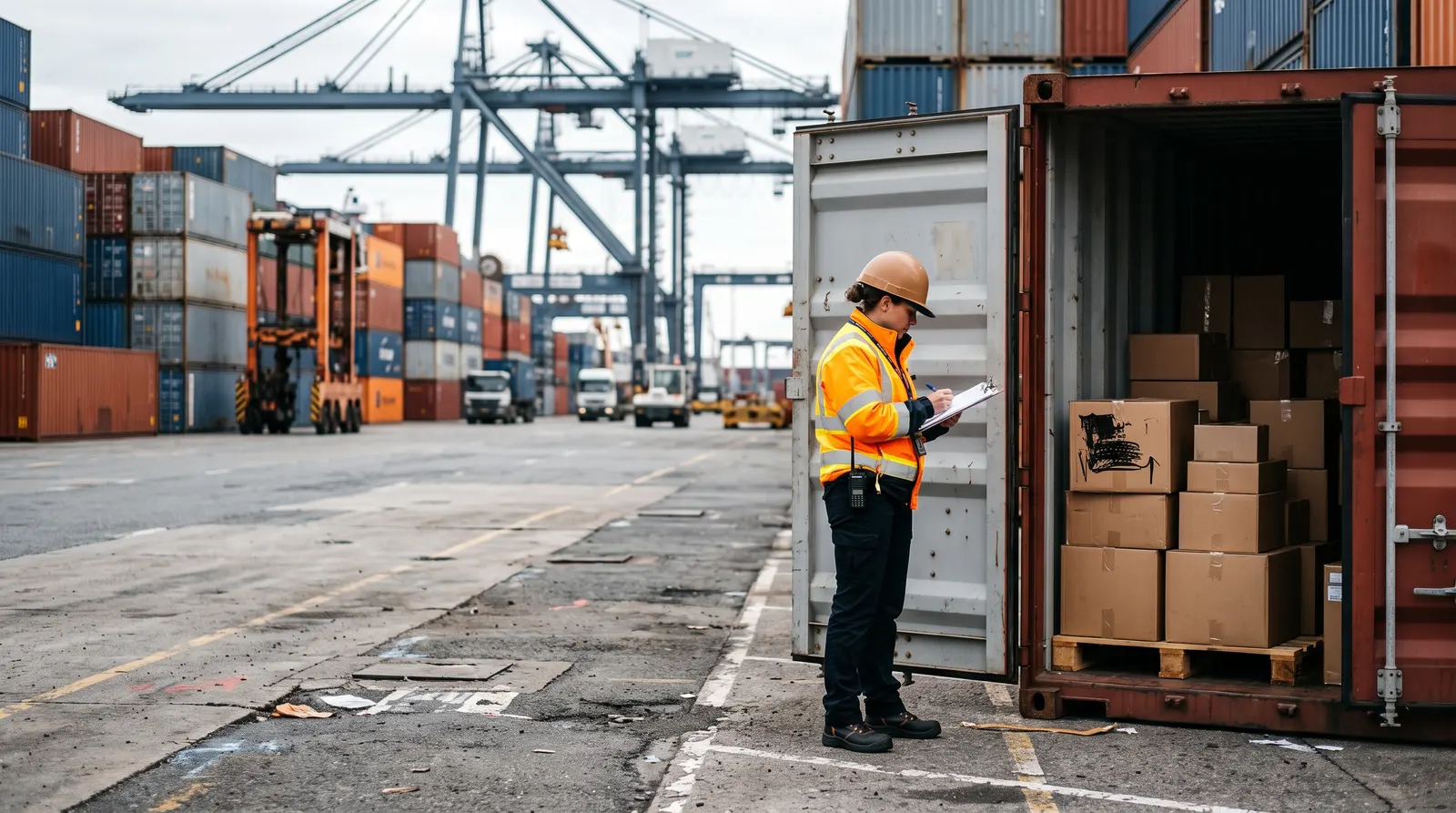
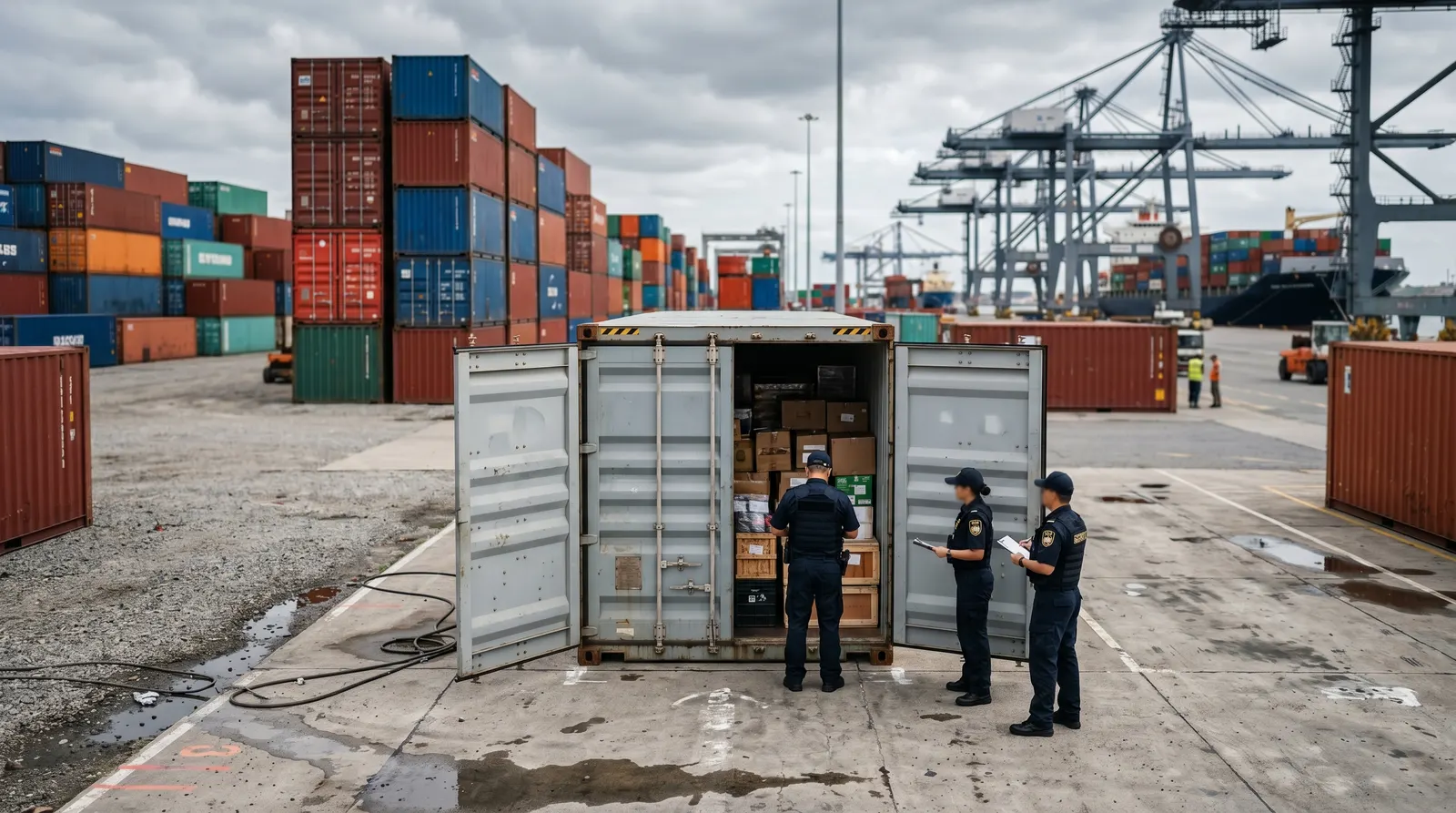
- Physical examination (exam): Customs orders the container to be unstuffed, inspected, or scanned — adding days to the clearance timeline plus exam fees paid by the importer.
Both types run the demurrage clock. If the carrier's free days expire while the hold is active, you pay — regardless of fault.
The most common reasons cargo is held
Incorrect or incomplete documentation
Document errors are the single most common cause of customs holds worldwide. A mismatched value between the commercial invoice and the packing list, a HS code that doesn't match the goods description, a missing certificate of origin, or a bill of lading with the wrong consignee — any one of these can trigger a query.
Common document problems that cause holds:
- HS code errors: The wrong tariff code can mean the wrong duty rate, an incorrect import restriction flag, or a mismatch with licensing requirements. Customs systems cross-check codes against declared descriptions.
- Value discrepancies: If the declared value appears implausibly low relative to the goods, or doesn't match the invoice, customs will query it. Under-declaration for duty purposes is treated seriously.
- Missing certificates: Regulated goods — food, pharmaceuticals, chemicals, plants, animal products — require import permits, phytosanitary certificates, health certificates, or safety approvals. Arriving without them stops clearance immediately.
- Consignee or EORI/EIN mismatches: A wrong entity name, tax ID, or importer-of-record detail can freeze an entry in customs systems until corrected.
- Inaccurate country of origin: Origin affects duty rates and may trigger trade remedy duties (anti-dumping, countervailing). A declared origin that doesn't match the goods is a red flag.
ISF or pre-arrival filing errors
For US imports, a late or inaccurate Importer Security Filing (ISF/10+2) is itself a violation that can trigger a hold, regardless of what's in the container. The ISF must be filed at least 24 hours before the vessel departs the last foreign port. Late filing or errors in shipper/consignee data trigger penalties and can cause holds at arrival.
Similar pre-arrival regimes apply in other jurisdictions — ENS in the EU, equivalent schemes in the UK, Canada, and Australia. Each has its own timing and data requirements. These are pre-departure tasks, not on-arrival ones.
Restricted, controlled, or prohibited goods
Some goods require special licences, permits, or pre-clearance that must be in place before the shipment arrives. Customs can only release once those authorisations are presented. If your goods fall into a controlled category and you haven't arranged the permits in advance, the hold can be extended significantly.
Categories that routinely require advance authorisation include:
- Hazardous materials and dangerous goods (DG)
- Pharmaceutical products and medical devices
- Food and beverages (especially animal products, fresh produce)
- Chemical and dual-use goods
- Firearms, weapons components, and certain electronics
- CITES-regulated wildlife and plant materials
Special cargo shipments — dangerous goods, temperature-sensitive goods, or oversized equipment — carry an additional layer of compliance requirements. Getting these right before booking, not after the container reaches port, is essential.
Random or risk-profile examination
Even perfectly documented shipments can be selected for physical examination. Selection is partly random and partly risk-profiling — new importers, unusual trade lanes, and certain HS codes all elevate the probability of an exam order. You can't fully prevent selection, but consistent accurate documentation over time builds a lower-risk profile with customs authorities.
Incoterm and responsibility misunderstandings
The incoterm on your contract determines who is responsible for customs clearance and import duties — and a mismatch between what was agreed and who actually acts can cause clearance to stall. Under DDP (Delivered Duty Paid), the seller clears customs and pays duties at the destination. Under DAP (Delivered At Place) or FOB, the buyer takes on those responsibilities. If each party assumes the other is handling clearance, no one files the entry and the cargo sits.
Our incoterms guide covers the full set of 10 terms and what each one means in practice for both sides of the transaction.
What happens when cargo is held — the cost implications
A hold is not just an inconvenience. The financial exposure mounts quickly:
| Cost element | What it is |
|---|---|
| Demurrage | Carrier charge for the container sitting inside the terminal beyond free days (typically 3–7 calendar days) |
| Storage (STG) | Terminal-levied charge for physical yard space, can run parallel to demurrage |
| Exam fees | Government-assessed fee for physical examination, paid by the importer |
| Customs broker time | Additional work for resolving queries, preparing amended entries |
| Supply-chain disruption | Production delays, missed customer commitments, expediting costs |
Demurrage is tiered and escalates — a hold that runs into a second week can cost multiples of what the freight itself cost on short trade lanes. This is why a customs delay that "only" lasts five days can produce a very large invoice.
How to prevent customs holds
Get the documentation right before the goods ship
The most effective prevention happens at origin, before the container is sealed. Cross-check every document: invoice value, packing list, and bill of lading must align. Verify HS codes against the destination country's tariff schedule. Confirm all required certificates are in hand and match the exact goods description. For regulated goods, a pre-shipment checklist with permit numbers and validity dates saves significant pain later.
File pre-arrival declarations on time and accurately
File ISF, AMS, ENS, or the relevant pre-arrival scheme with accurate data, on time, every time. Treat this as a booking task, not an afterthought. If you're working with a customs brokerage partner, confirm they have complete shipper and commodity data well before the vessel sails — not after.
Work with experienced customs brokers at the destination
A broker with active relationships at the port of entry, current knowledge of local tariff rules, and the ability to respond quickly to queries will resolve issues faster than one unfamiliar with local procedures. Choosing on cost alone often increases delay risk.
Understand what your incoterm requires of you
Before finalising the contract, confirm who is responsible for import clearance. If you are the importer of record, you need a customs broker, an import licence (if required), and a funded duty account. If the seller is handling DDP delivery, verify they have genuine in-country customs capability — not a nominal arrangement.
Build compliance history with customs authorities
Apply for trusted-trader status where available (AEO in the EU, C-TPAT in the US). The benefit — reduced exam rates and faster release — is material for established importers on regular lanes.
When cargo is already held: what to do
If the hold has already happened, act immediately:
- Identify the hold type. Confirm with your customs broker whether this is a document query, an exam order, or a specialist-agency referral (agriculture, food safety, etc.).
- Correct documents without delay. Obtain the right version of the document and submit it through your broker immediately.
- Request exam scheduling. Ask when the exam is booked and whether expedited slots are available — some ports offer priority examination.
- Monitor demurrage daily. If the hold will run beyond the carrier's free days, contact the carrier — some will pause demurrage during customs-caused holds, but this is not automatic and must be requested.
- Document everything. Exam orders, correspondence timestamps, and terminal advisories are all relevant if you need to dispute demurrage or file a claim under cargo insurance.
How Holo Cargo helps
When you book through Holo — whether ocean FCL, LCL, or air — our operations team co-ordinates with experienced customs brokerage partners at the destination, and pre-arrival filings are tracked alongside the shipment so clearance paperwork is ready before the vessel berths. The quote breaks out destination charges, including terminal handling and storage, so you see your exposure before you commit.