A container that exceeds its rated payload doesn't quietly sail anyway — it gets stopped, usually at the worst possible moment: after it's packed, sealed, and trucked to the terminal. What looked like a rounding error on a packing list becomes a restuffing job, a missed vessel cut-off, and a bill nobody budgeted for. Weight limits on ocean containers are a hard engineering and safety ceiling, not a guideline, and terminals and carriers now check them before a box ever gets near a crane.
This guide covers what a container's max payload actually means, how it gets verified, what happens when a container comes in over the limit, and how to keep it from happening to your shipment.
What Counts as a Container's Weight Limit?
A container's max payload is the maximum weight of cargo it can carry — total gross weight (container plus cargo) minus the container's own tare weight. It's set by the structural rating of the box, not by carrier policy, and it doesn't change by lane, carrier, or season.
| Code | Type | Max payload | Max volume |
|---|---|---|---|
| 20GP | 20ft General Purpose | 28,200 kg | 33.2 CBM |
| 40GP | 40ft General Purpose | 28,750 kg | 67.7 CBM |
| 40HC | 40ft High Cube | 28,600 kg | 76.4 CBM |
| 45HC | 45ft High Cube | 27,600 kg | 86.0 CBM |
| 20RF | Reefer | 27,400 kg | 28.3 CBM |
| 40RF | Reefer | 29,100 kg | 59.3 CBM |
Two things trip up shippers here. First, a 20ft box's payload (28,200 kg) is not far below a 40ft box's (28,750 kg) — a 20ft container reaches its weight limit long before it reaches its volume limit if the cargo is dense. Second, tare weight varies by container age and manufacturer, so the number stencilled on the door — not an assumed average — is the one that determines how much cargo actually fits.
How Weight Gets Verified Before Loading
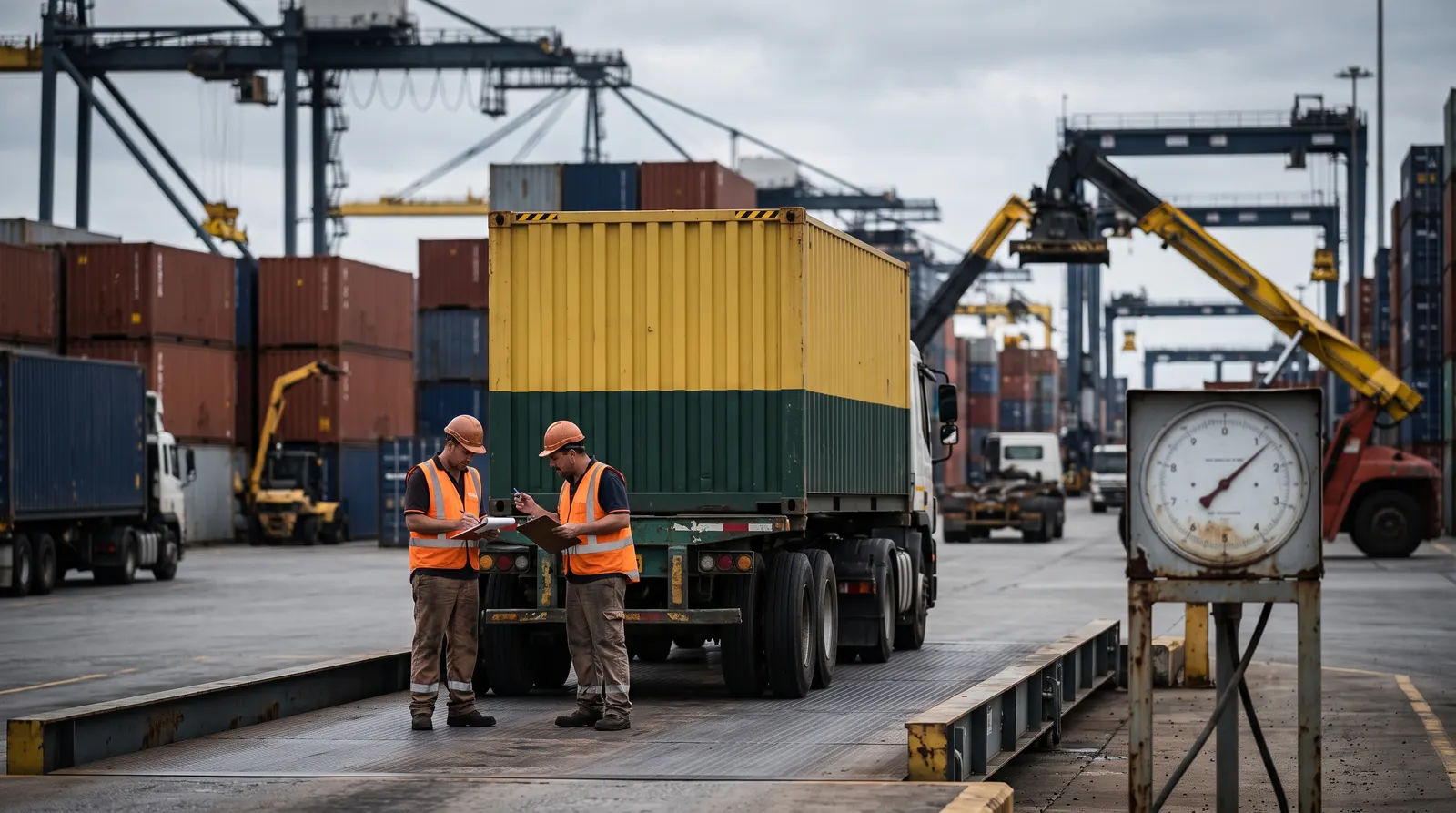
Every packed container needs a Verified Gross Mass (VGM) — the total weight of the container plus cargo — submitted to the carrier before the vessel's cut-off, under SOLAS rules that apply industry-wide. VGM is typically obtained one of two ways: weighing the full, sealed container on a calibrated scale, or calculating it by adding up the weight of every item packed inside plus the container's tare weight.
A missing or inaccurate VGM is treated the same way an overweight container is: the terminal will not load it. This is the checkpoint where most overweight containers actually get caught — not on the water, but on the dock, before the box ever reaches the vessel.
What Happens When a Container Exceeds Max Payload
An overweight container is rejected at the point it's discovered, and the further along the move it's caught, the more it costs to fix.
- Terminal or port refusal. If the VGM or a terminal scale shows the container over its rated payload, the terminal will not load it onto the vessel. This is a hard stop, not a negotiable surcharge.
- Missed vessel cut-off. A rejected container usually can't be fixed and re-presented before the same sailing closes, which pushes the shipment to the next available vessel — commonly a delay of a week or more depending on the lane's frequency.
- Restuffing. To get under the limit, cargo has to be pulled from the container and either redistributed across an additional unit or removed entirely. Restuffing means unsealing, unloading, re-documenting, and re-sealing — labor and container-freight-station charges that don't appear on the original quote.
- Storage and demurrage exposure. A container sitting at the terminal while it's corrected is racking up the clock on free time, which can trigger storage or demurrage charges even though the delay wasn't caused by port congestion.
- Road-leg violations. If an overweight container clears the terminal check but is still over the legal road weight limit for the trucking leg, it risks a roadside citation, a fine, and being turned back before it even reaches the port — a separate and earlier failure point than the shipping-line check.
- Safety risk if it's missed entirely. In rare cases where an overweight box does get loaded, it's a genuine stability and structural risk — for the vessel's stowage plan, for stacked containers beneath it, and for chassis and lifting equipment rated to a specific load.
None of these are billed as a single "overweight fee" — they show up as a cluster of restuffing, storage, and rebooking charges that are harder to plan for precisely because they weren't part of the original freight quote.
Common Causes of Overweight Containers
Most overweight containers aren't the result of deliberately overloading a box — they're a planning gap:
- Dense cargo underestimated by volume. Metal parts, machinery, tile, and packaged liquids fill only a fraction of a container's cube while still maxing out its payload — a mistake that's easy to make when planning by volume alone.
- Consolidated or mixed cargo. When multiple commodities or shippers share a container, individual weight estimates can be optimistic, and the combined total isn't checked until the box is already packed.
- Assumed tare weight. Using a rough average tare instead of the actual figure on the container's data plate can overstate how much payload capacity is left.
- Packing list vs. actual weight drift. Paperwork weights based on supplier specifications don't always match what's actually loaded, especially with palletized or crated goods.
How to Avoid Exceeding Container Weight Limits
The fix is arithmetic done before the container is sealed, not after it's rejected:
- Calculate gross weight from actual cargo dimensions and weight, not volume alone. The free cargo calculator computes your CBM, gross weight, and chargeable weight from carton or pallet dimensions, so you can see gross weight against a container's rated payload before booking.
- Check the tare weight on the specific container, not an assumed average, when cargo is close to the payload ceiling.
- Weigh dense or mixed-commodity loads before sealing rather than relying on supplier packing-list figures, and keep the weighing records to support the VGM submission.
- Confirm the trucking leg's legal road weight limit, which is frequently lower than the container's rated payload and varies by country and axle configuration — a detail worth confirming with your road freight provider before the load leaves the warehouse.
- Flag dense or heavy cargo at the booking stage. For loads that are inherently weight-limited rather than volume-limited — steel, stone, machinery — your ocean FCL team can help select the right equipment and confirm the numbers work before the container is packed.
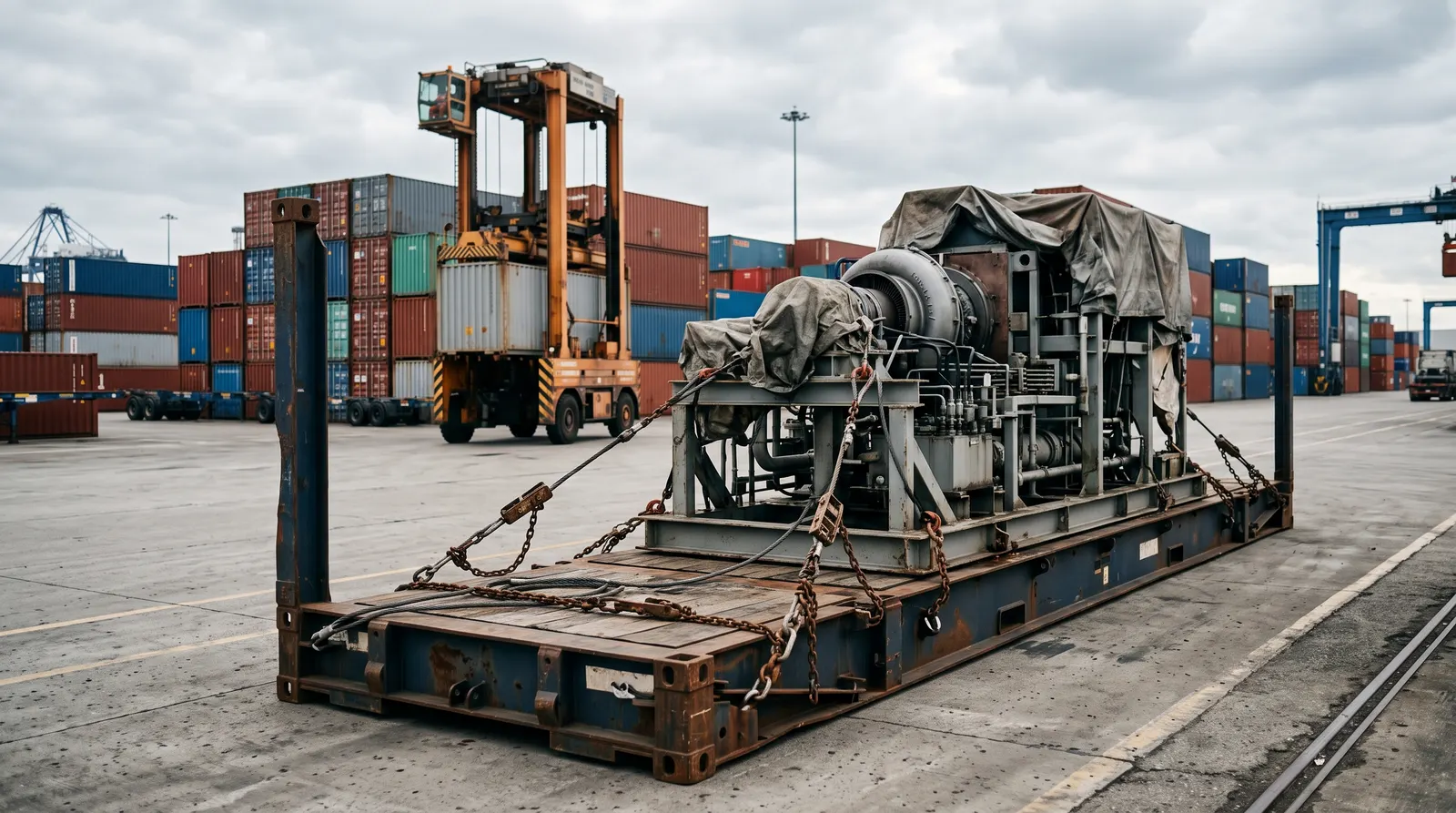
- Treat unusually heavy or irregular loads as special cargo. If cargo is dense enough to approach a container's structural limits or needs specific weight distribution across the floor, route it through special cargo planning rather than a standard booking.
The Bottom Line
A container's max payload is a fixed structural number, and VGM verification means it gets checked before the box ever reaches the vessel — not discovered mid-voyage. The shipments that avoid restuffing fees and missed sailings are the ones where gross weight was calculated against the actual container's tare and payload rating before the truck left the warehouse, not after the terminal turned it away.
Holo Cargo operators confirm container selection and weight fit as part of every FCL booking, flagging dense or heavy cargo before it's packed rather than after a terminal rejection. Quotes reflect the equipment your cargo actually needs, with nothing to reconcile once the container is on the water.