Your ocean freight rate gets the container across the water. It does not get the container off the terminal and into your warehouse. That last, short leg — port or rail ramp to door — is drayage, and on almost every quote it shows up as its own line rather than being folded into the ocean freight charge. If you've never shipped a full container before, that split can be confusing: why isn't "freight" just freight? The answer comes down to who actually performs the move, and it's worth understanding before you compare two quotes that price it differently.
What Is Drayage?
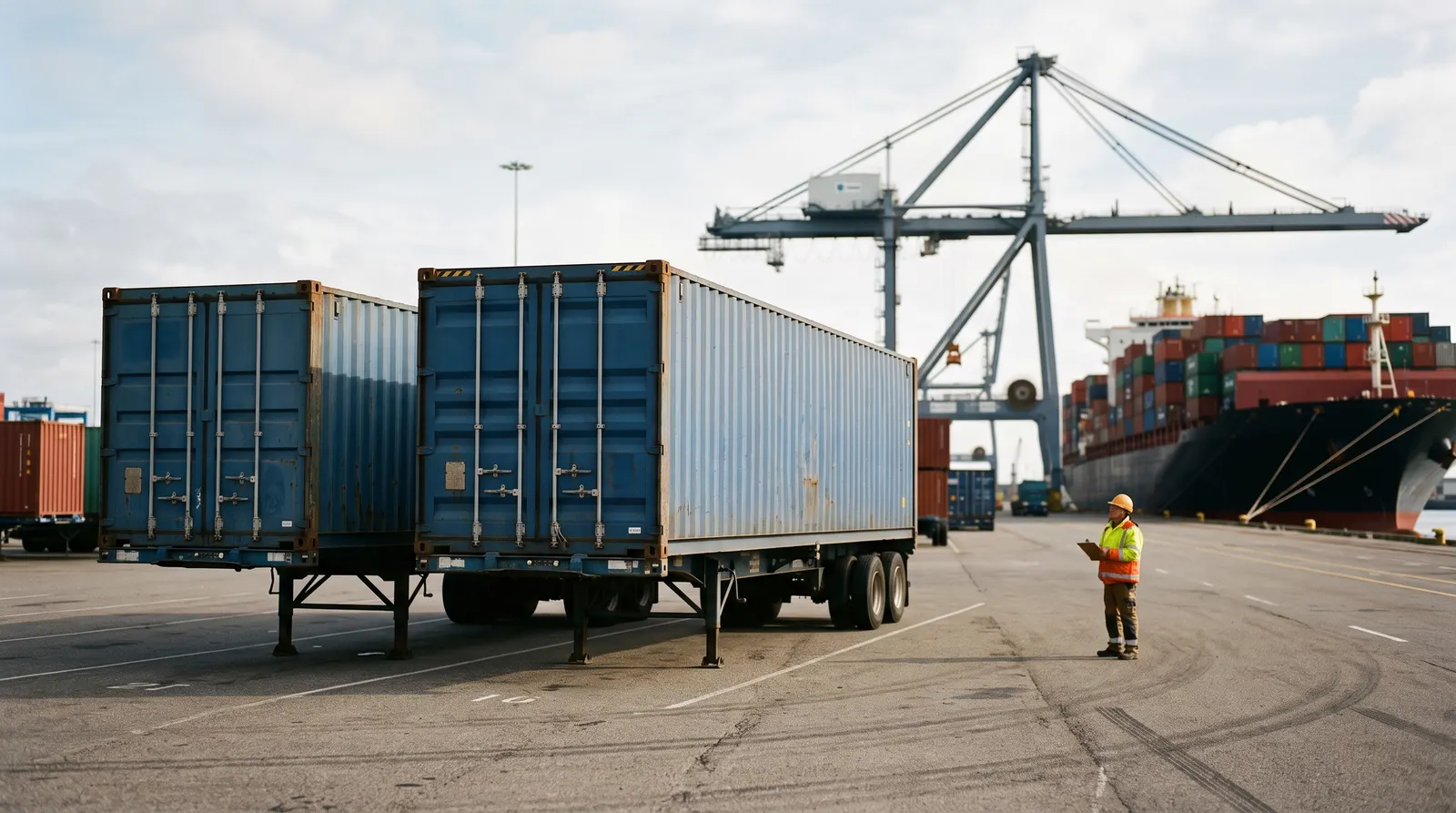
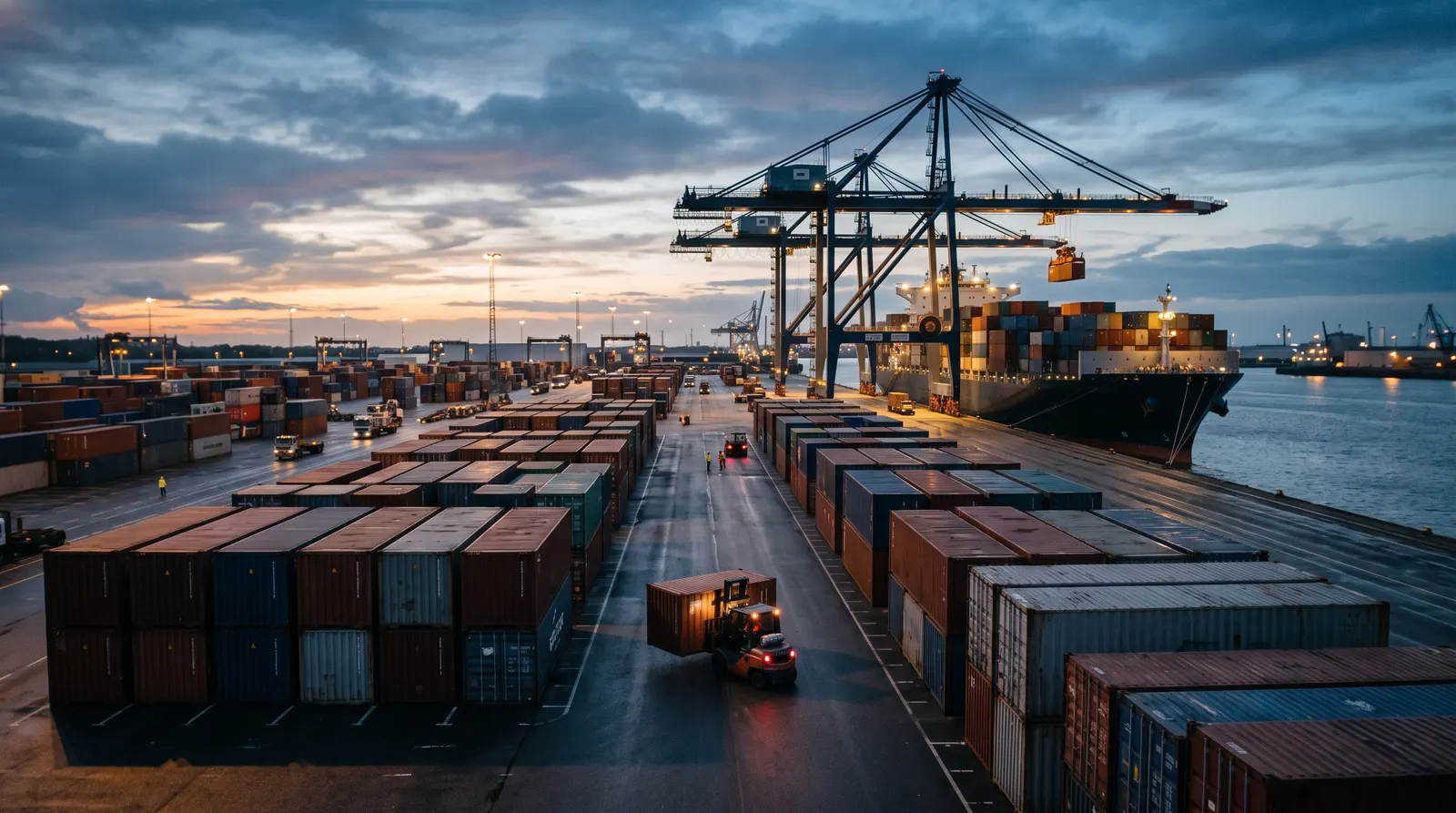
Drayage is the short-distance trucking move that carries a loaded (or empty) container between a port, rail ramp, or container freight station and a nearby warehouse, distribution centre, or rail yard. It's road freight, but a specific kind: local, container-based, and almost always tied to an ocean or rail leg on one end. The term predates containers — a "dray" was a low, horse-drawn cart used to move goods short distances around a dock — and the freight industry kept the word even after the cart became a chassis-mounted truck tractor.
Drayage is not the same as long-haul trucking. A drayage move is typically measured in tens of miles, not hundreds, because its job is to bridge the gap between a marine or rail terminal and the first inland point where the container is unloaded or transloaded. If your cargo needs to travel further inland after that, it usually moves as a separate over-the-road or rail leg, priced and booked differently.
Why Drayage Is Billed Separately From Ocean Freight
Drayage is billed as its own quote line because it's a different carrier, a different mode, and a different cost driver than the ocean freight rate. The ocean carrier's rate covers vessel space and the sea leg between load port and discharge port; it says nothing about what happens to the box once it's off the ship. Getting it from the terminal to your door is a domestic trucking move, arranged with a trucking company or drayage provider, priced on local trucking economics — mileage, chassis availability, wait time at the terminal — not on vessel capacity or bunker prices.
On a Holo Cargo quote, this is why trucking/drayage appears as its own handling line item (shown as "TRK") alongside storage, separate from the ocean freight, bunker, and terminal handling charges that make up the ocean section. Keeping it separate is what lets you see clearly which part of your total cost is the sea move and which part is the local delivery — useful if you're comparing a port-to-door quote against a door-to-door one, or deciding whether to arrange your own trucking instead.
What Drives the Cost of a Drayage Move
Drayage pricing is driven mainly by distance from the terminal, chassis availability, and how long the truck has to wait to pick up or drop off the container — not by the value of the cargo inside it. A few factors matter most:
- Distance. The single biggest variable. A drayage move from a port to a warehouse ten miles away costs a fraction of one going eighty miles inland.
- Chassis. In many markets, the trucking company doesn't own the chassis the container sits on — it comes from a shared chassis pool. When chassis are scarce near a terminal, drayage providers may charge more, or the move simply takes longer to schedule.
- Terminal appointment and dwell time. Marine terminals commonly run appointment systems for truck pickups and drop-offs. A truck that sits queued at the gate longer than expected adds cost the drayage provider has to recover, and can push a scheduled delivery back a day.
- Fuel and local trucking rates. Like any road freight, drayage moves with regional fuel prices and driver/equipment availability, the same forces that set rates for road freight generally.
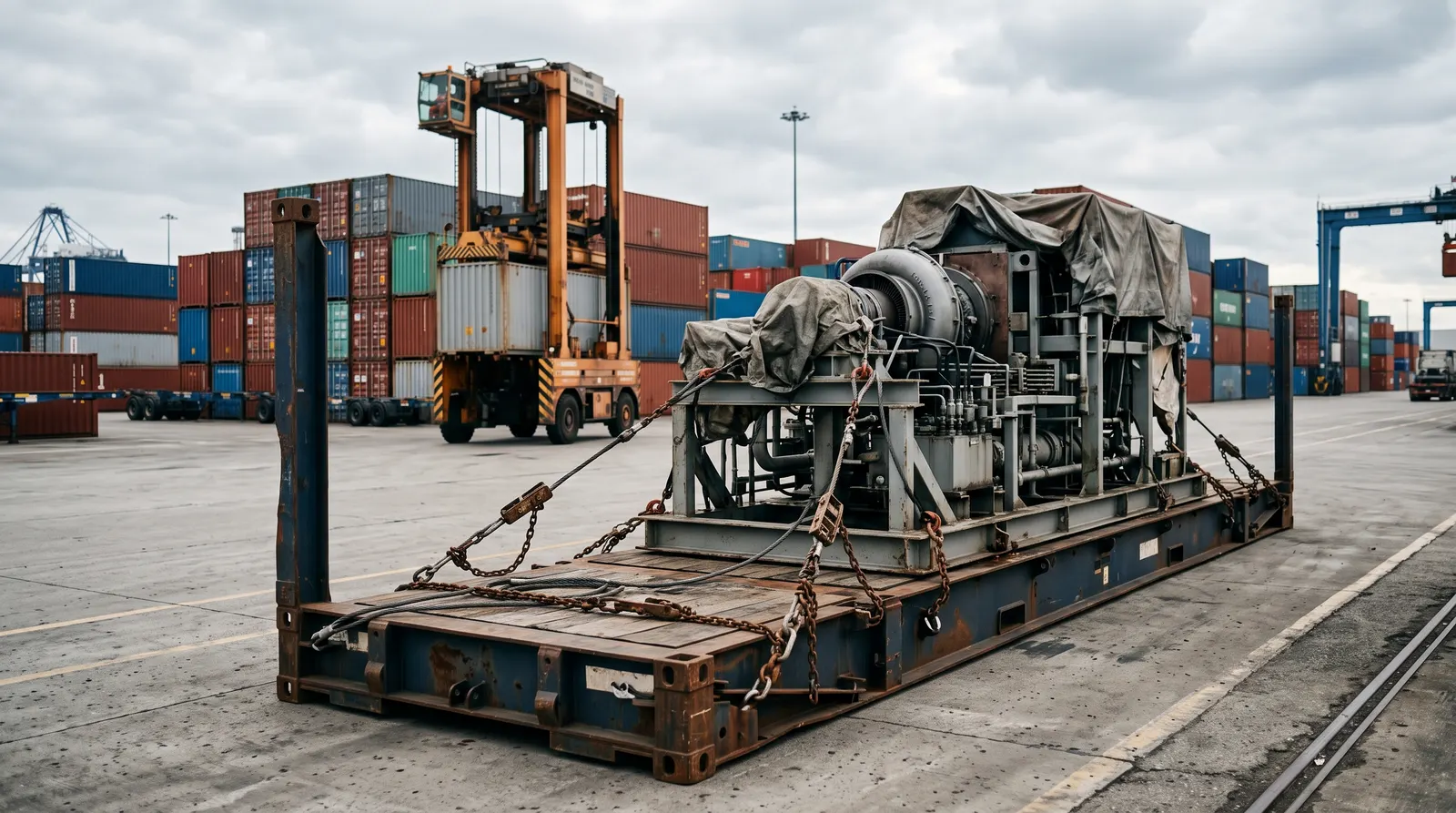
- Container type and weight. A heavier or oversized container (reefer, flat rack, open top) may need specialised chassis or equipment, which can raise the drayage rate versus a standard dry container of the same distance.
Drayage vs. Demurrage vs. Detention: Don't Mix Them Up
Drayage is the cost of moving the container; demurrage and detention are the cost of not moving it fast enough. They're easy to confuse because all three show up around the same event — pulling a container off the terminal — but they pay for different things:
- Drayage — the trucking company's charge for physically hauling the container from the terminal to your door (or vice versa for an export).
- Demurrage — the carrier or terminal's charge for a loaded container that sits inside the port beyond its free days, because it wasn't picked up (import) or was gated in too early (export).
- Detention — the carrier's charge for a container that's been picked up but not returned empty within the free time allowed outside the terminal.
A slow drayage pickup can trigger demurrage; a drayage provider that holds the empty too long before returning it can trigger detention. But the drayage charge itself is unrelated to either — you pay it whether the move happens on schedule or is delayed, because it's the cost of the haul, not a penalty for timing.
FCL, LCL, and How Drayage Changes With Move Type
A full container move drays the whole box straight to your warehouse; an LCL shipment typically drays to a container freight station first, where your cargo is deconsolidated before the final local delivery. With FCL, the drayage leg is usually one truck, one container, one appointment — straightforward to price and schedule. With LCL, your cargo shares a container with other shippers' freight, so the container itself drays to a CFS for unloading and sorting, and your goods then move onward, sometimes as a smaller local delivery rather than a full-container drayage move.
Where drayage sits on your total cost also depends on the move type you booked. On a door-to-door shipment, drayage at both ends is included in what you're quoted. On a door-to-port move, origin drayage is quoted but destination trucking from the arrival port is on you (or your consignee). On a port-to-door move, origin trucking is on you (or your supplier) but destination drayage is quoted. On a port-to-port move, neither end includes drayage — you or your consignee arrange local trucking separately at both ends. The how shipping works guide walks through how these move types differ before you decide which one to book.
Keeping Drayage Costs Predictable
Drayage is one of the more variable pieces of a landed freight cost, mainly because it depends on local conditions — chassis pools, terminal congestion, driver availability — that can shift week to week in a way the ocean rate doesn't. A few things help keep it predictable:
- Confirm the distance assumption. A drayage quote is built around an origin or destination address; if that address changes, ask for a re-quote rather than assuming the number still holds.
- Ask whether chassis is included. Some drayage quotes assume chassis is readily available; in a tight chassis market that assumption can add a surcharge later if it turns out to be wrong.
- Watch free time on both demurrage and detention. Since delayed drayage is what commonly triggers those charges, knowing your free-time windows protects the drayage line from turning into a much bigger bill.
- Compare drayage against general road freight rates for the same distance if you're evaluating whether to arrange trucking yourself versus taking it as part of a bundled quote.
How Holo Cargo Helps
On a Holo Cargo quote, drayage is itemised as its own handling line rather than folded into the ocean freight charge, so you can see exactly what the local trucking leg costs before you book — and the quote you accept is the invoice you pay, with nothing to reconcile afterward. Our operators coordinate the drayage move alongside the rest of the shipment, so pickup timing at the terminal is tracked against your free-time windows rather than left for you to chase.