A wind turbine blade, a power-plant transformer, or a fleet of excavators does not fit inside a 40-foot box no matter how it is packed. Project cargo is the umbrella term for freight that has to move outside the standard container system — by breakbulk vessel, on specialized oversized equipment, or driven straight onto a RoRo ship. It is planned differently, quoted differently, and delayed by different things than a routine FCL booking.
This guide explains what counts as project cargo, how breakbulk, out-of-gauge, and RoRo freight differ from each other, and what changes in the quoting and booking process once your shipment falls into this category.
What Counts as Project Cargo?
Project cargo is any shipment whose size, weight, or shape rules out a standard container — typically industrial, infrastructure, or heavy-equipment freight moved as single large pieces or coordinated multi-piece consignments rather than palletized boxes. It usually needs specialized vessels, cranes, or trailers, and a lashing/stowage plan engineered around the specific piece.
Common project cargo shipments include:
- Power generation equipment — turbines, generators, transformers, boilers
- Process and refinery modules — pre-assembled plant sections shipped as single units
- Construction and mining machinery — excavators, cranes, drilling rigs
- Rolling stock and vessels — locomotives, rail cars, barges, yachts
- Infrastructure components — wind turbine blades and towers, bridge sections, pre-cast structures
What unites these is that the cargo drives the transport method, not the other way round. A standard container booking starts with "which box do I need"; a project cargo booking starts with "how does this specific piece physically move."
Breakbulk Shipping Explained
Breakbulk is cargo loaded onto a vessel as individual pieces or units rather than inside containers — crated, bagged, on pallets, or as loose single items lifted directly into the hold. It predates containerization and remains the standard method for cargo too large, too heavy, or too irregularly shaped for a box, and for cargo that needs individual handling at every port.
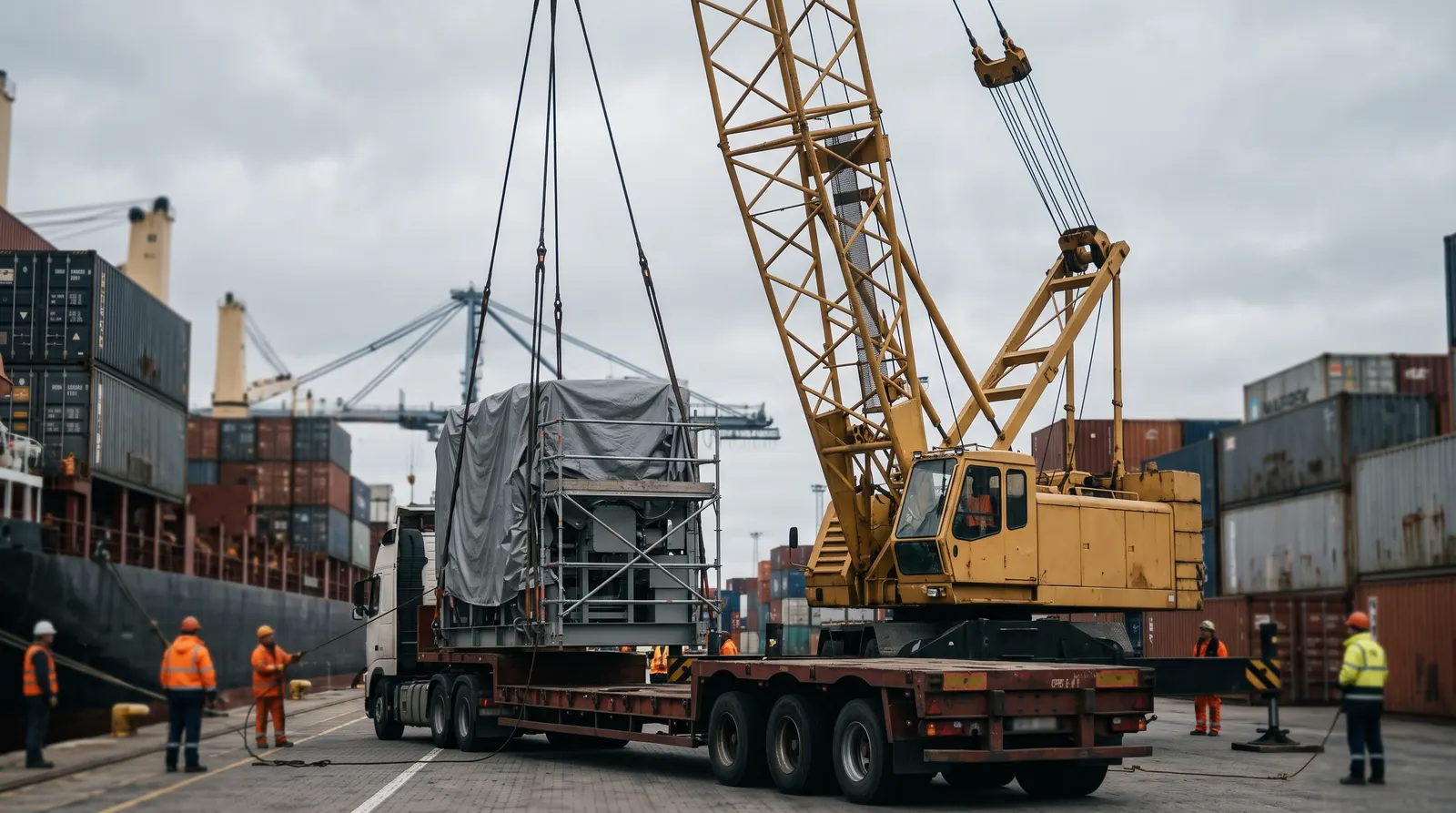
Breakbulk vessels are built for this: multi-deck holds, heavy-lift derricks or cranes rated well beyond standard container-crane capacity, and stowage plans built piece by piece rather than by container slot. Typical breakbulk cargo includes steel coils, machinery on skids, large pipe sections, and bagged commodities.
Because breakbulk sails on dedicated services with far less frequency than container liner routes, schedules are less predictable and booking lead times run longer. Confirm sailing frequency on your specific trade lane early — a missed breakbulk sailing can mean weeks until the next one, not days.
Oversized and Out-of-Gauge (OOG) Cargo
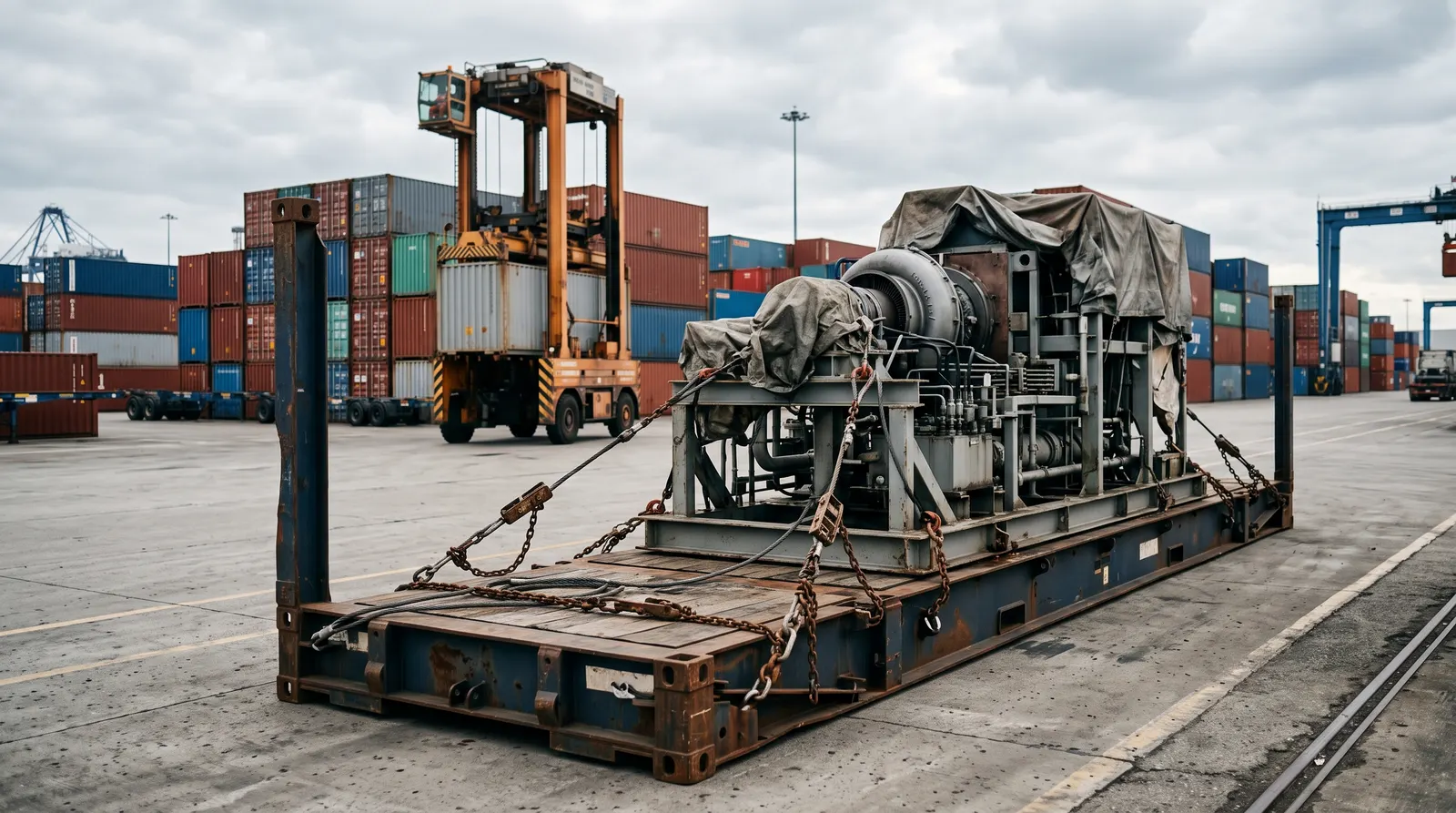
Out-of-gauge (OOG) cargo is freight that physically exceeds the dimensions of the container carrying it — extending past the roofline on an open top or past the side walls on a flat rack. It still moves through the container shipping network, but requires specialized equipment and advance stowage planning rather than a standard dry box.
Two container types handle most OOG cargo:
| 20OT / 40OT (Open Top) | 28,100 kg / 28,600 kg max payload — top-loaded by crane, height overhang only |
|---|---|
| 20FR / 40FR (Flat Rack) | 28,200 kg / 28,400 kg max payload — no side walls, height and width overhang |
An open top solves a height problem: the cargo fits the container's footprint but is too tall for a standard door, so it is craned in from above once the roof cover is removed. A flat rack solves a width or shape problem: cargo that overhangs the sides entirely, loaded onto an open deck with no enclosure at all. Two flat racks can sometimes be "married" end to end for cargo longer than a single unit, though not every carrier or vessel supports it.
OOG bookings need the port to schedule the right crane and handling equipment in advance, and most carriers require a pre-shipment survey and lashing plan before they will confirm the booking — not just to price it, but to accept it onto a specific sailing.
RoRo (Roll-on/Roll-off) Freight
RoRo cargo is self-propelled or wheeled freight that drives or is towed directly onto the vessel via a ramp, rather than being lifted by crane. It is the standard method for vehicles, heavy machinery on wheels or tracks, and any equipment that can be driven, towed, or skidded aboard.
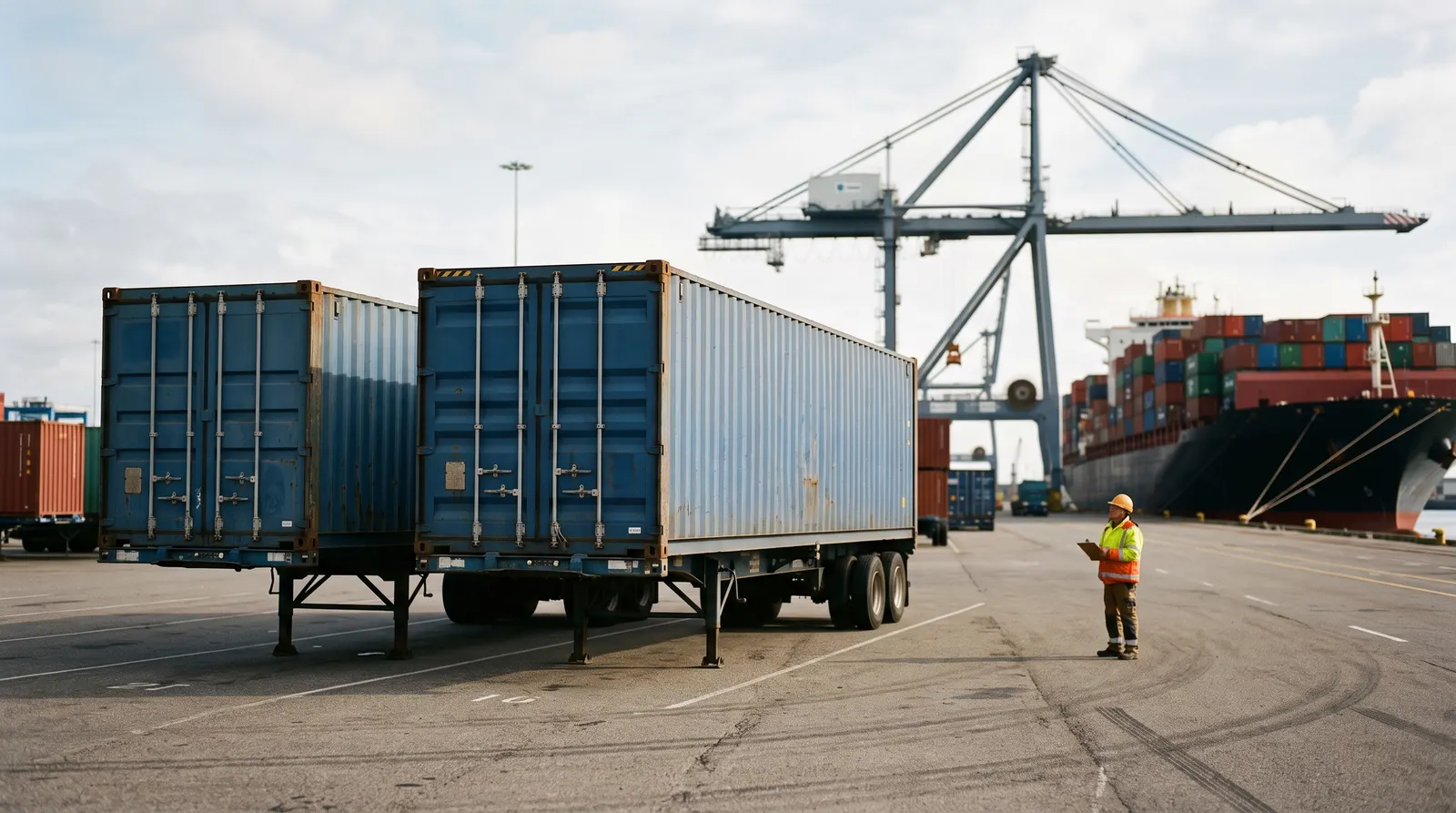
RoRo fits naturally within project cargo because much of the equipment involved — excavators, cranes, agricultural machinery, trucks and trailers — is wheeled or trackable. It typically loads faster than crane-lifted cargo and avoids the lashing complexity of an open-deck flat rack, since RoRo vessels have dedicated internal deck space and securing points built for rolling stock.
Not every project cargo shipment can go RoRo, though — non-wheeled equipment (a static transformer, a pre-assembled module) still needs breakbulk or OOG container handling, and RoRo sailing frequency on a given lane is a separate constraint to confirm before you commit to a routing.
Project Cargo vs Standard Ocean Freight
The practical differences between a project cargo move and a standard container booking show up at every stage — planning, equipment, and timeline.
| Factor | Standard Ocean FCL | Project Cargo |
|---|---|---|
| Unit | Standard container (20GP/40GP/40HC) | Vessel space, deck area, or specialized equipment |
| Loading | Forklift/stuffed through container doors | Crane, ramp, or engineered lift plan |
| Schedule | Weekly liner services, fixed routing | Often chartered space or lower-frequency breakbulk/RoRo sailings |
| Survey requirement | Rarely needed | Common, sometimes mandatory before booking |
| Lead time | Days to a couple of weeks | Often weeks to months, depending on equipment and vessel availability |
| Rate basis | Per container | Per shipment, based on dimensions, weight, and stowage complexity |
Treat any project cargo quote as its own planning exercise rather than a variant of standard ocean FCL pricing — the cost drivers (crane time, deck space, survey requirements) are genuinely different, not just a surcharge on top of a container rate.
How Project Cargo Is Quoted and Booked
A project cargo quote starts with dimensions and weight, but it does not stop there — routing, equipment availability, and handling method all have to be confirmed before a number means anything.
What your forwarder needs upfront:
- Full dimensions and gross weight of every piece, including any that will be lifted or lashed separately
- Weight distribution, not just total weight — uneven loads change the lashing and lifting plan
- Photos or drawings of the cargo, including lifting points if the piece requires a specific rigging method
- Origin and destination access — crane capacity at both ends, road clearance for inland moves, and any permits required for oversized road transport
- Target ready date and any hard delivery deadline, since equipment and vessel space both need lead time to secure
Because project cargo does not move on standard sailings, quotes typically take longer to return than a container booking and often involve multiple carrier or charter options rather than a single published rate. If you are still sizing up the cargo itself, the free cargo calculator computes your CBM, gross weight, and chargeable weight from carton or pallet dimensions — useful groundwork before the shipment is confirmed as project cargo rather than standard FCL.
Documentation and Insurance Considerations
Project cargo carries more documentation and higher insured values than routine freight, and both deserve attention before the vessel is booked, not after.
Beyond the standard commercial invoice and packing list, expect to prepare method statements, lifting plans, and — for OOG or breakbulk moves — a stowage and lashing survey report the carrier signs off on before loading. Customs authorities may also require additional technical documentation for classification, particularly on large industrial equipment; working through this with an experienced customs brokerage partner ahead of the sailing avoids delays at the port.
Given the values typically involved, confirm your cargo insurance explicitly covers project cargo risk — standard dry-cargo terms do not automatically extend to open-deck exposure, heavy-lift handling, or the higher damage cost of a single large unit. Ask about this specifically rather than assuming a general policy applies.
Getting Project Cargo Booked Right
Project cargo rewards early planning more than any other freight category — equipment, vessel space, and survey requirements all take longer to line up than a standard container slot, and a mismatch discovered at the port is the most expensive kind of delay. Share full dimensions, weight distribution, and access constraints with your forwarder as early as possible, even before the shipment is fully ready to move.
Holo Cargo's special cargo operators coordinate the equipment sourcing, stowage planning, and carrier or charter options a project cargo shipment needs, and quote the full move — not just the freight leg — before you commit to a sailing. For the full picture of how a shipment moves from quote to delivery, see how Holo Cargo works.